
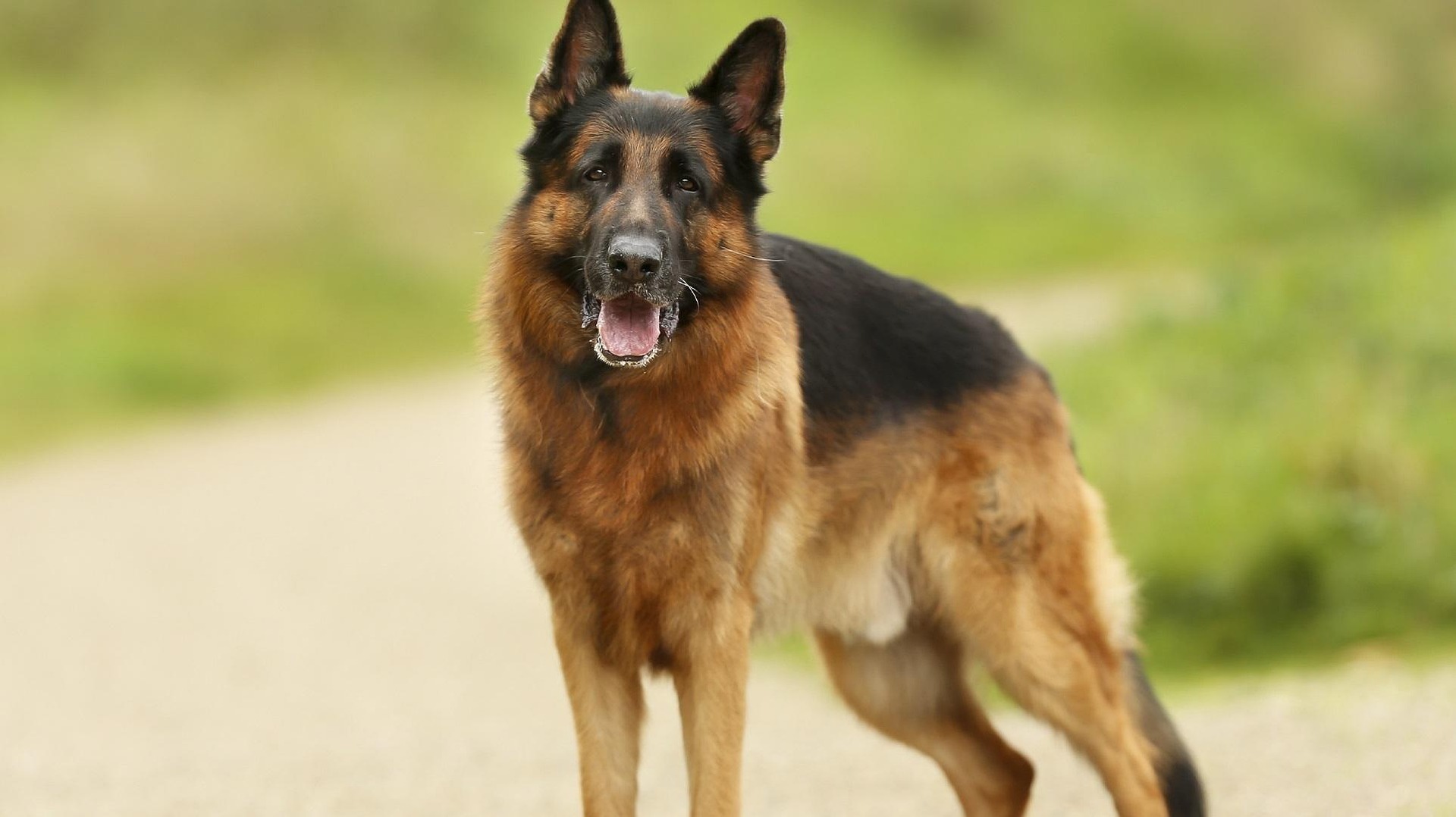
The German Shepherd Dog is one of the most respected and loved dog breeds in the world. Known for its intelligence, loyalty, and versatility, this breed can be a police dog, rescue hero, family companion, or therapy dog—all in one lifetime.
Strong, elegant, and incredibly devoted, the German Shepherd is not just a dog. It is a true partner, a guardian, and a lifelong friend.
Let’s dive into everything you need to know about this amazing breed, from history to care and training.
A Short History of the German Shepherd
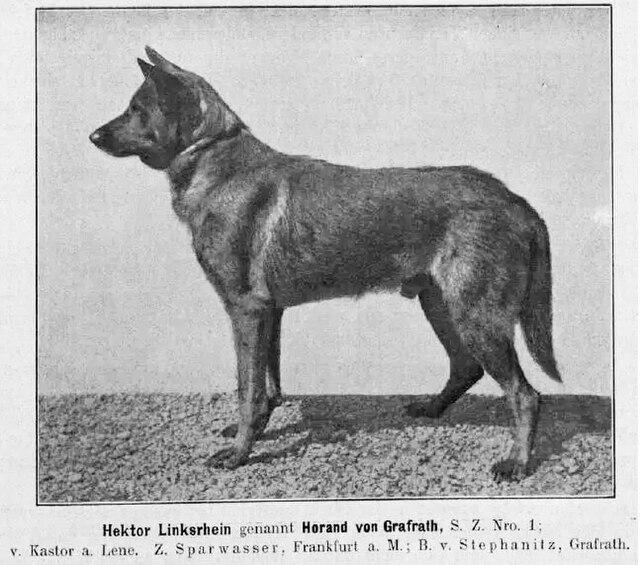
The German Shepherd was developed in the late 1800s by a German officer named Max von Stephanitz. His goal was to create the perfect working dog—intelligent, strong, obedient, and loyal.
He found a dog named Horand von Grafrath, who became the first registered German Shepherd. From there, the breed quickly gained popularity across Germany and later around the world.
German Shepherds played key roles as messenger dogs, rescue dogs, and guard dogs during both World Wars. Later, they became famous in movies and TV shows, particularly through stars like Rin Tin Tin and Strongheart.
Today, they are one of the most versatile and widely used working dog breeds, excelling as police dogs, search-and-rescue heroes, guide dogs, and beloved family companions.
According to the American Kennel Club, the German Shepherd consistently ranks among the most popular breeds in the United States.
German Shepherd Appearance and Physical Traits
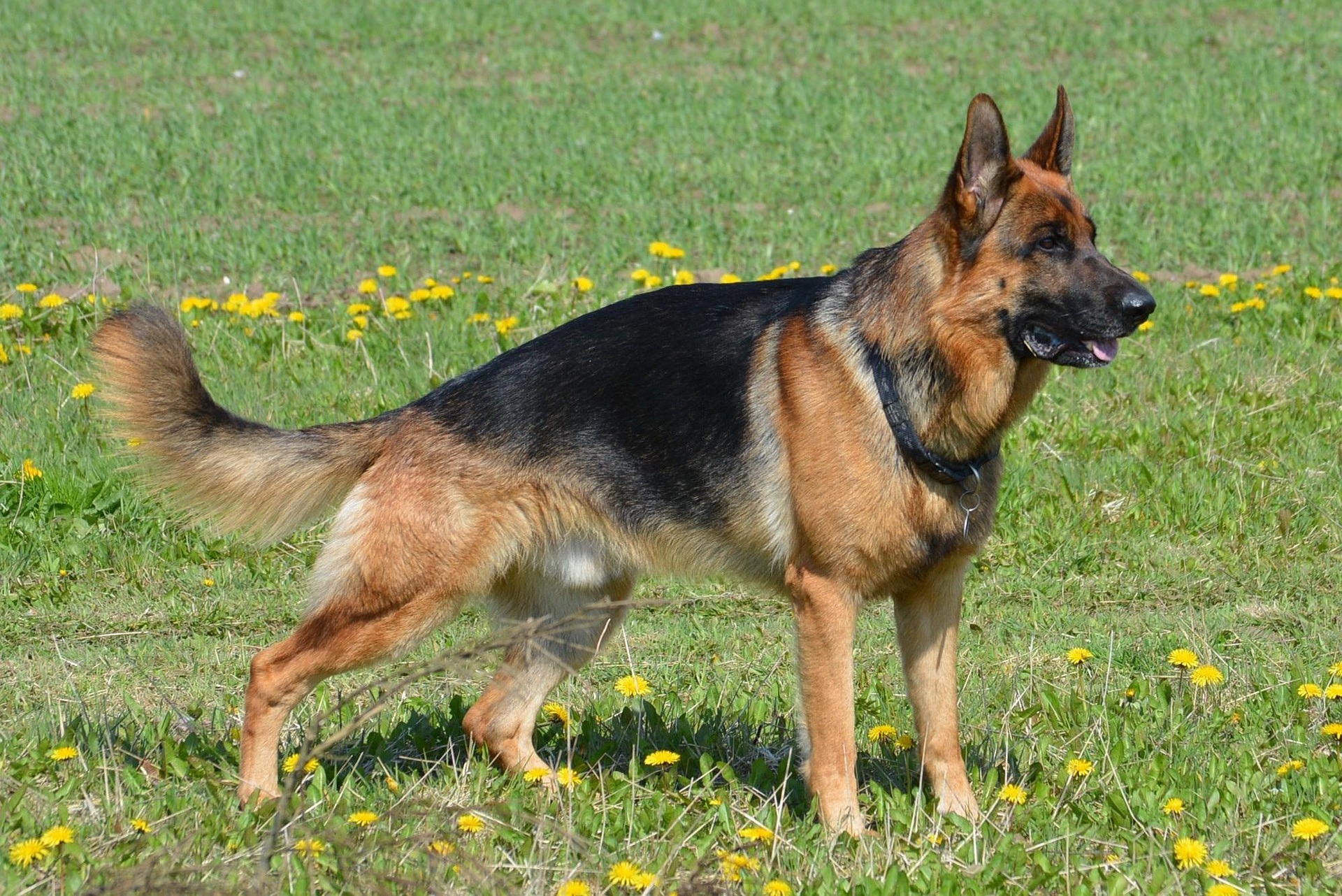
German Shepherds are large, powerful dogs with a balanced, athletic body. Their stance and movement reflect confidence and agility.
Typical features include:
- Height: 55–65 cm (22–26 inches)
- Weight: 22–40 kg (50–90 pounds)
- Body: Muscular, athletic, slightly sloped back
- Ears: Large and upright
- Coat: Medium-length, dense
Common coat colors include:
- Black and tan
- Black and red
- Sable
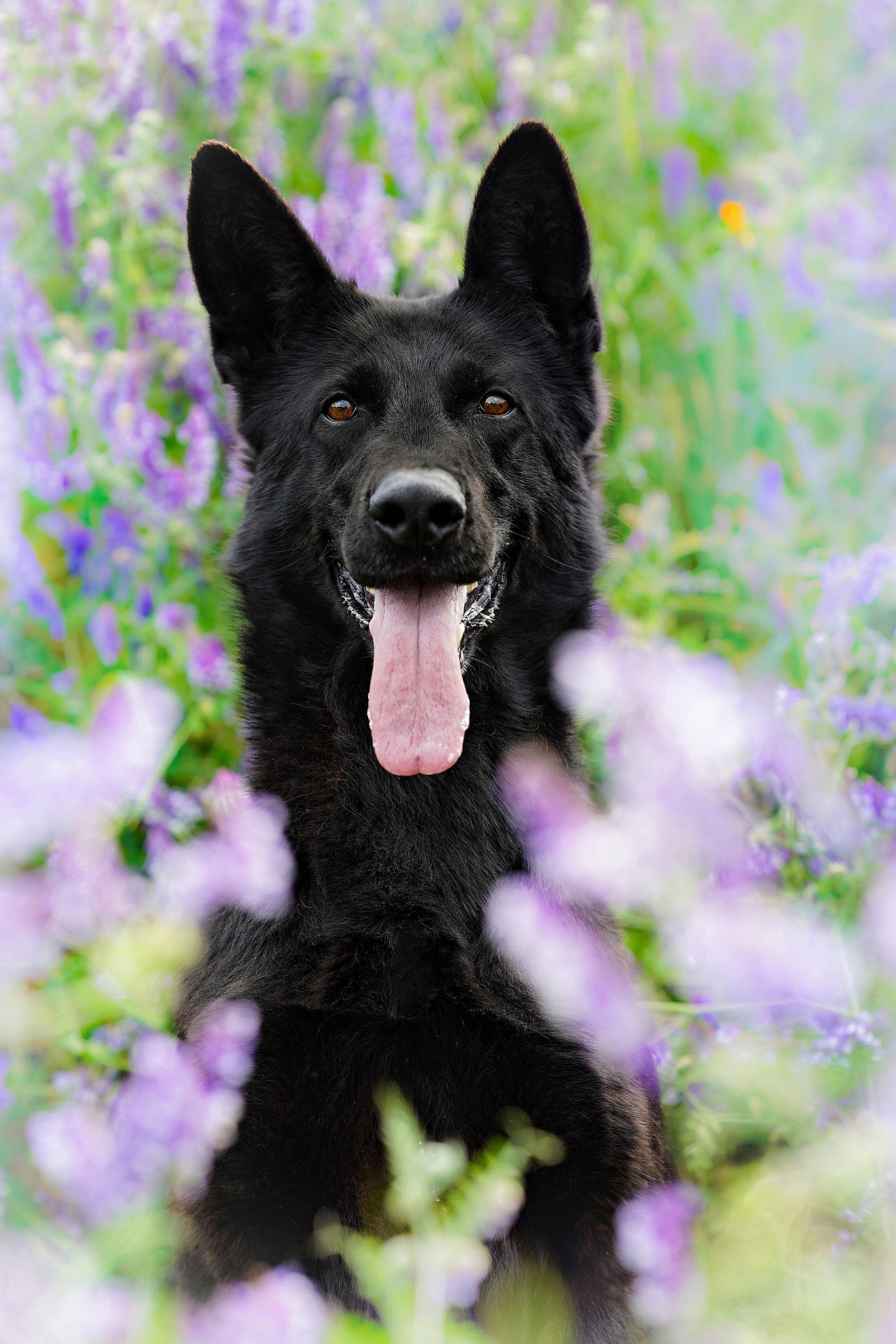
- All black
Their expression is alert and intelligent, and their posture shows readiness for action. Many owners describe their look as noble yet approachable.
Personality and Behavior
German Shepherds are famous for their loyalty, courage, and strong bond with their families. They are protective without being unnecessarily aggressive, which makes them excellent family guardians.
Key personality traits:
- Extremely loyal
- Protective of family
- Intelligent and focused
- Confident
- Loving with their owners
They form deep bonds with their families and are often gentle with children. Therefore, proper socialization is crucial to ensure they grow into calm and confident adults.
Intelligence and Trainability
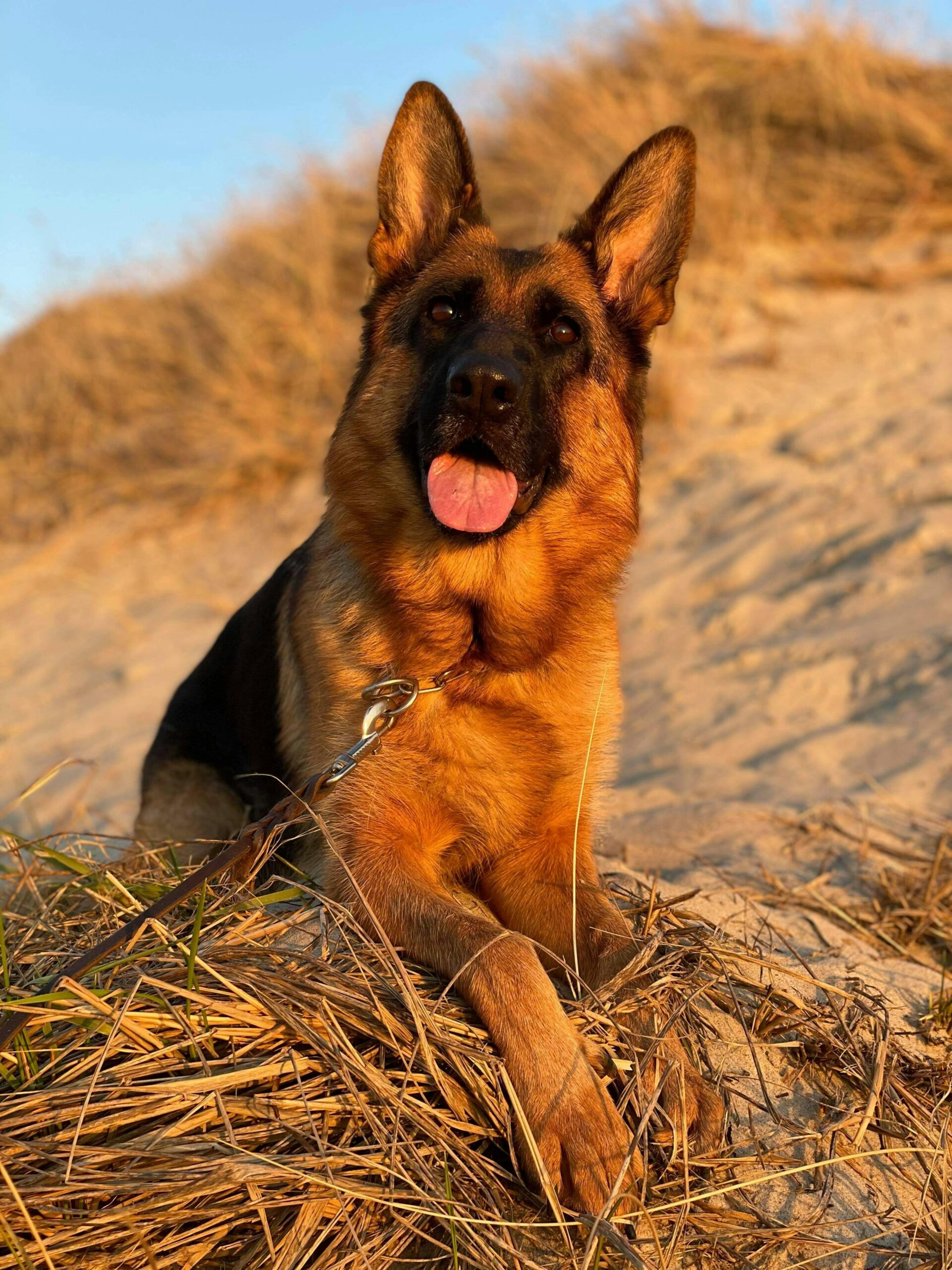
German Shepherds are highly intelligent and eager to please, making them one of the easiest breeds to train.
They excel in:
- Obedience training
- Police and military work
- Search and rescue
- Guide dog work
- Protection sports
- Agility
These dogs thrive on mental challenges and structured tasks. Otherwise, without stimulation, they may resort to barking, chewing, or digging. A well-trained German Shepherd is not just a pet — but a reliable working partner.
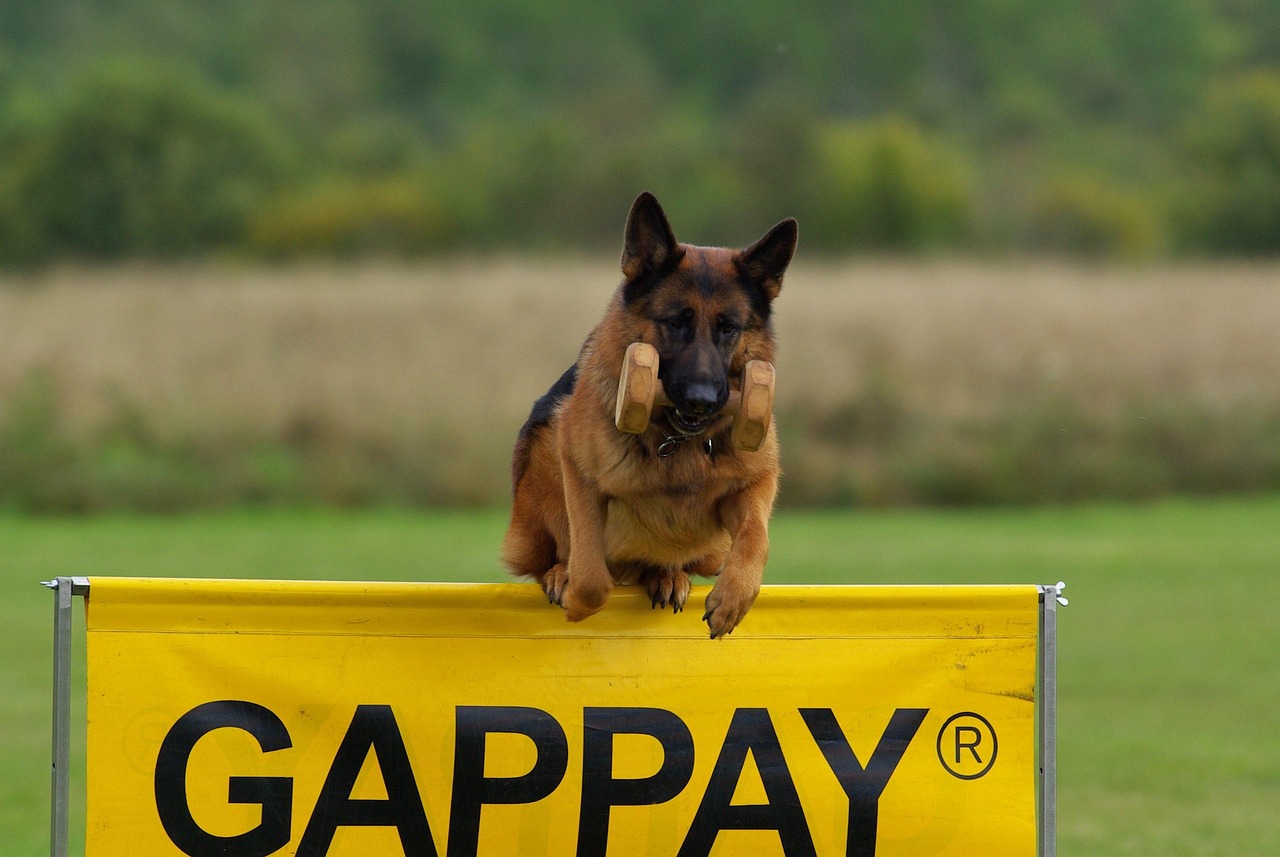
Exercise Needs – High but Manageable
German Shepherds are energetic dogs requiring daily physical and mental exercise.
Daily needs include:
- Long walks, jogs, and training sessions are ideal.
- Structured playtime
- Mental stimulation through games or puzzles
- Space to run and explore
They enjoy activities like fetch, hiking, obedience drills, and learning new tricks. In addition, sufficient exercise keeps them calm, happy, and healthy at home — similar to the high-energy Belgian Malinois who thrive on daily mental and physical activity.
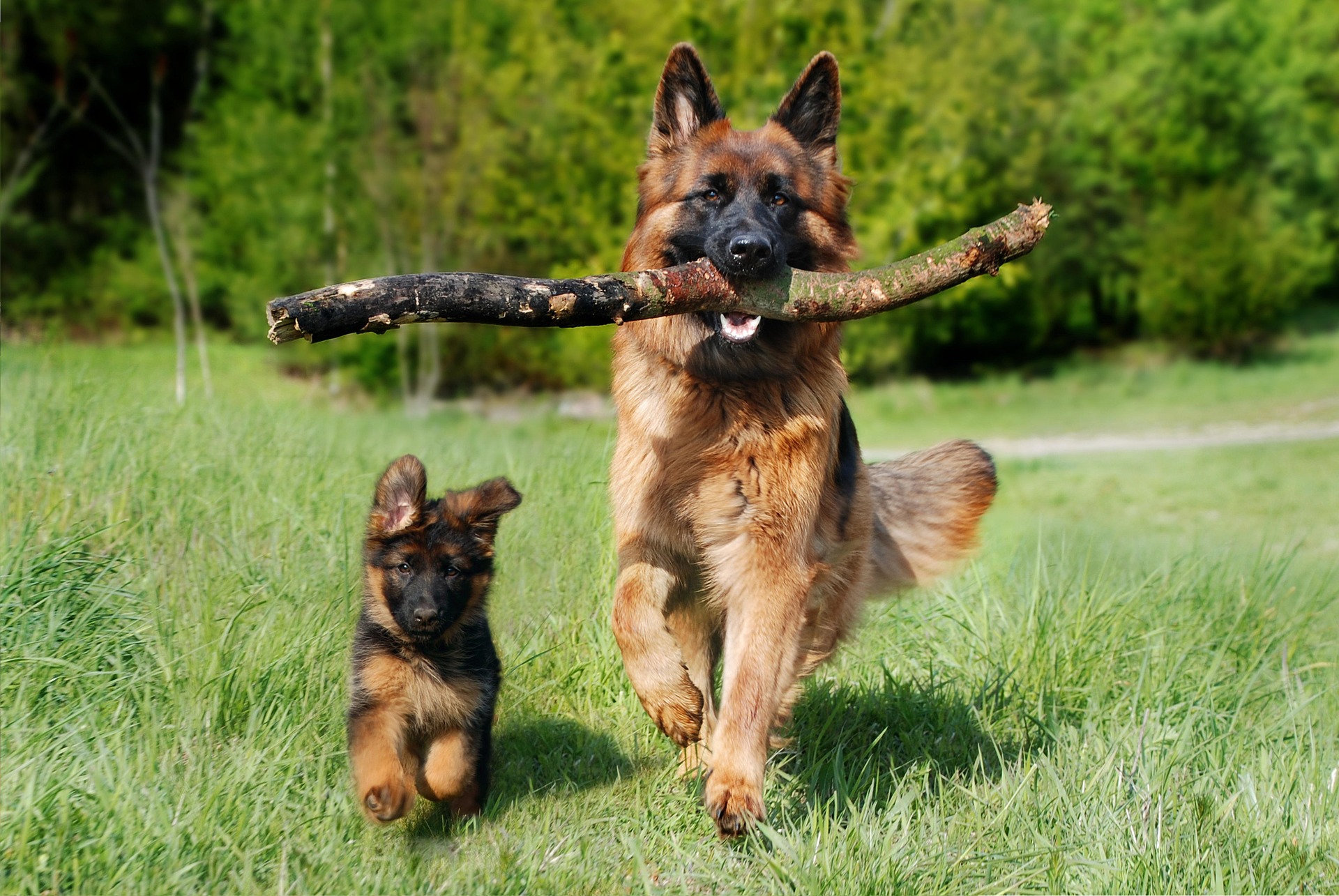
Health, Diet, and Lifespan
Typically, German Shepherds live 9–13 years, but lifespan can vary depending on genetics and care.
Common health concerns:
- Hip and elbow dysplasia (OFA – Orthopedic Foundation for Animals)
- Degenerative myelopathy
- Bloat
- Allergies
Furthermore, choosing a responsible breeder and maintaining regular vet visits is essential. Keeping your German Shepherd fit and at a healthy weight also protects their joints and prolongs life.
Diet and Nutrition Tips:
- Feed high-quality dog food with protein as the primary ingredient. In general, real meat should be the first component.
- Puppies should eat 3–4 meals per day, while adults need 2 portion-controlled meals.
- Include healthy fats such as fish oil or flaxseed. Interestingly, even small animals like the Himalayan Rabbit benefit from healthy fats in their diet, which support coat shine and overall health.
- Avoid excessive treats; otherwise, weight gain may occur. Instead, use treats strategically during training sessions.
Grooming and Care
German Shepherds have a double coat that sheds moderately year-round and heavily during shedding seasons.
Basic care includes the following:
- Brush 2–3 times a week (and daily during shedding season). For comparison, long-haired pets like the Maine Coon Cat require similar regular grooming to prevent tangles and matting.
- Regular nail trimming
- Routine ear cleaning
- Consistent dental care
In addition, their double coat naturally protects them from various weather conditions. Therefore, shaving is usually unnecessary unless specifically advised by a veterinarian.
Training Tips for German Shepherds
Proper training ensures a well-behaved and confident dog.
Tips:
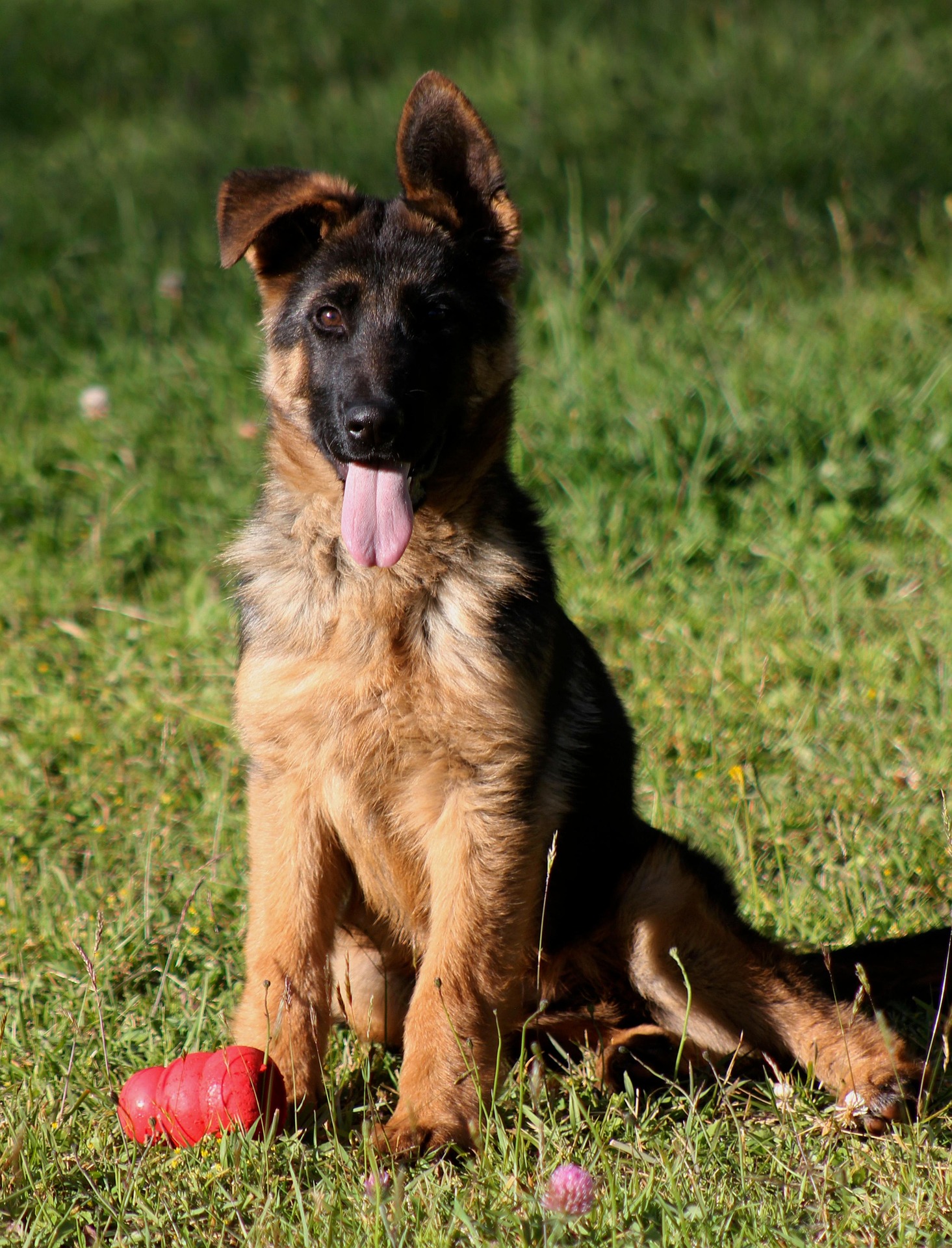
- Start early: Begin socialization and basic commands at puppy age. This way, your German Shepherd develops confidence and good habits from the beginning.
- Positive reinforcement: Reward-based training works best. In fact, German Shepherds respond exceptionally well to praise, treats, and encouragement.
- Consistency: German Shepherds need clear, consistent rules. Otherwise, mixed signals can confuse them and slow progress.
- Use puzzle toys, obedience exercises, and advanced games to keep them engaged. Otherwise, without regular mental challenges, they may become bored and restless. In fact, veterinary behavior experts emphasize that structured mental enrichment significantly improves a dog’s overall well-being and reduces behavioral issues (source: VCA Animal Hospitals). In addition, consistent mental exercise helps prevent destructive behaviors and keeps your German Shepherd happy.
- Advanced training: Agility, tracking, or protection sports provide both mental and physical challenges. Additionally, these activities strengthen discipline and focus.
- Bonding through training: Training sessions strengthen your dog-owner relationship. As a result, your German Shepherd becomes more responsive, loyal, and confident.
Is a German Shepherd Right for You?
Choosing a German Shepherd is not just about owning a dog — it is about committing to an active, intelligent companion.
Consider a German Shepherd if you:
- Want a protective but loving dog
- Have time for training and exercise
- Enjoy outdoor activities
- Seek a loyal, lifelong companion
Maybe not ideal if you:
- Are rarely home
- Prefer a low-energy dog
- Don’t want to manage shedding
On the other hand, if your schedule is limited or you prefer a calmer breed, a German Shepherd might not suit you. This is because German Shepherds require regular attention, structured training, and, most importantly, a strong emotional bond with their owners.
FAQ
Q1: How long do German Shepherds live?
A: Typically 9–13 years. With proper care and diet, however, their lifespan can be supported and, in some cases, even extended.
Q2: Are German Shepherds good with kids?
A: Yes, they are very gentle and protective with families when properly socialized.
Q3: How much exercise does a German Shepherd need?
A: At least 1–2 hours daily, including walks, playtime, and mental challenges.
Q4: Are German Shepherds easy to train?
A: Yes, in fact, they are highly intelligent and eager to please. Because of this, they thrive with consistent, positive reinforcement training.
Q5: What are common mistakes new German Shepherd owners make?
A: Under-exercising, inconsistent training, skipping socialization, and overfeeding are common mistakes. If left unaddressed, they can cause behavioral problems and, over time, serious health issues.
Other Powerful Guard Dog Breeds
If you like the German Shepherd, you may also want to explore other strong and intelligent breeds such as the Doberman Pinscher and the Rottweiler, which are also widely respected as loyal protection and working dogs.
Final Thoughts
The German Shepherd is one of the most versatile and loyal dog breeds ever developed. Brave, intelligent, loyal, and hardworking, they dedicate themselves to their families fully.
“With love and training, a German Shepherd becomes a loyal companion and guardian for life.”
If you are ready for their loyalty and energy, a German Shepherd will stay by your side through everything.
Stay Connected 🐾
If you enjoyed this guide, follow us on Facebook for more in-depth animal guides, training tips, and fascinating wildlife facts.
👉 Follow Anmlzone on Facebook
Animal Journey
Follow this path to keep exploring related animals and comparisons.

German Shepherd vs Belgian Malinois: 12 Biggest Differences Explained
Continue journey →
Rottweiler vs Doberman: Which Guard Dog Is Better in 2026?
Continue journey →
Top 10 Best Guard Dogs That Will Protect Your Family (2026)
Continue journey →
Cane Corso Dog Breed: The Ultimate Family Protector You Need to Know About
Continue journey →🐾 Explore More Animals
 Dobermann – Strength, Loyalty, and Intelligence in One Elegant Dog
  Belgian Malinois Dog: What to Know Before Owning One
  How to Stop Your Puppy from Whining in the Crate at Night
  Cane Corso Dog Breed: The Ultimate Family Protector You Need to Know About
  Rottweiler Dog: What to Know Before Owning One
  Pileated Woodpeckers: Forest Icons
  Top 10 Best Guard Dogs That Will Protect Your Family (2026)
  Akita Breed: A Symbol of Loyalty and Strength


