
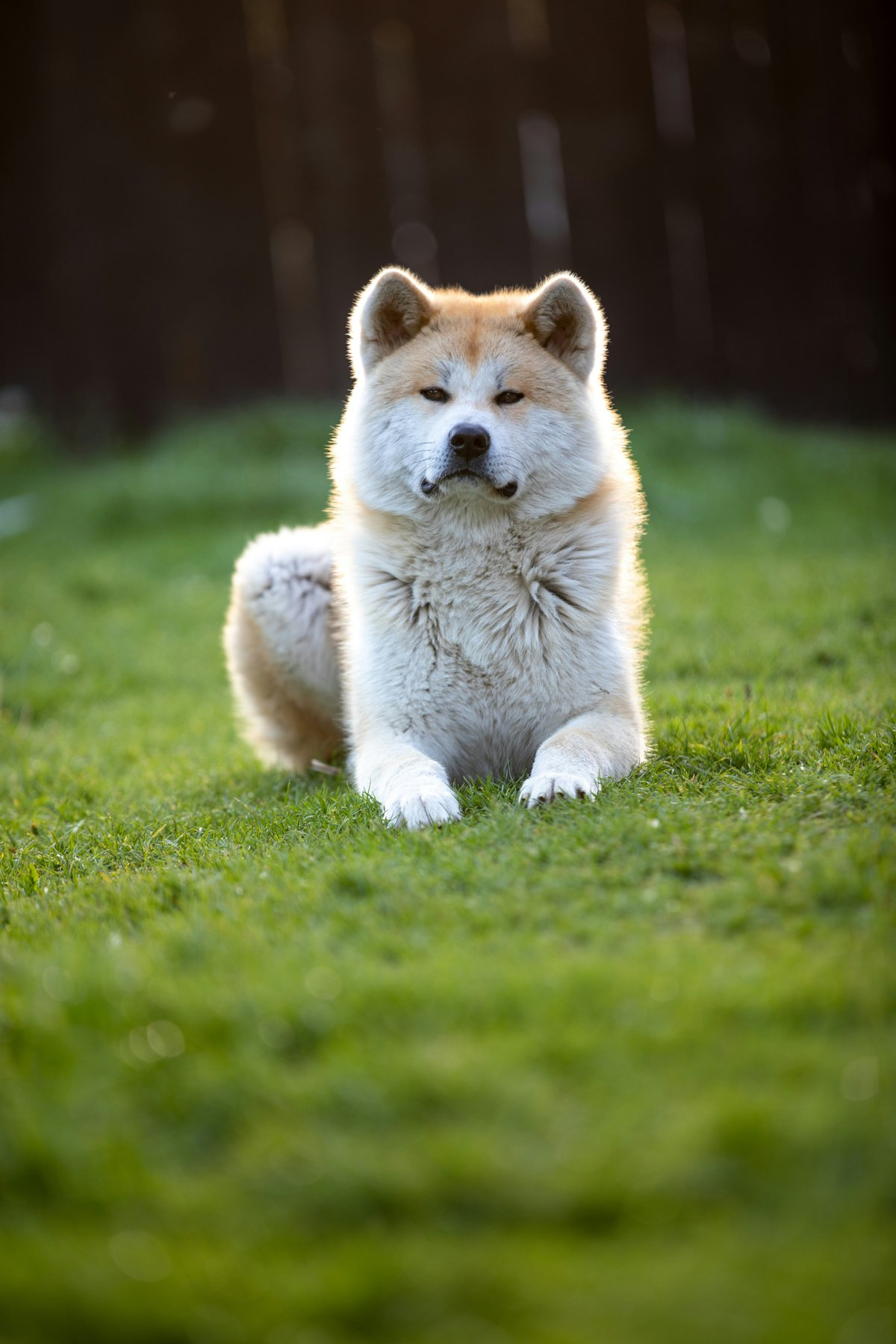
Introduction to the Akita Breed
Deep in the snowy, mountainous regions of northern Japan was born one of the most powerful and loyal dog breeds in the world — the Akita.
This is a guardian. A hunter. A silent protector. A legend.
The Akita breed is known for its:
- Massive strength 💪
- Deep loyalty ❤️
- Calm, almost regal presence 👑
Originally bred for hunting large game like boars, deer, and even bears, Akitas were designed by nature and humans to survive in harsh environments and perform under pressure.
Their thick double coat protects them from freezing temperatures, while their strong, muscular build allows them to move with power and precision.
But behind that tough exterior lies something even more powerful…
👉 A deep emotional bond with their owner.
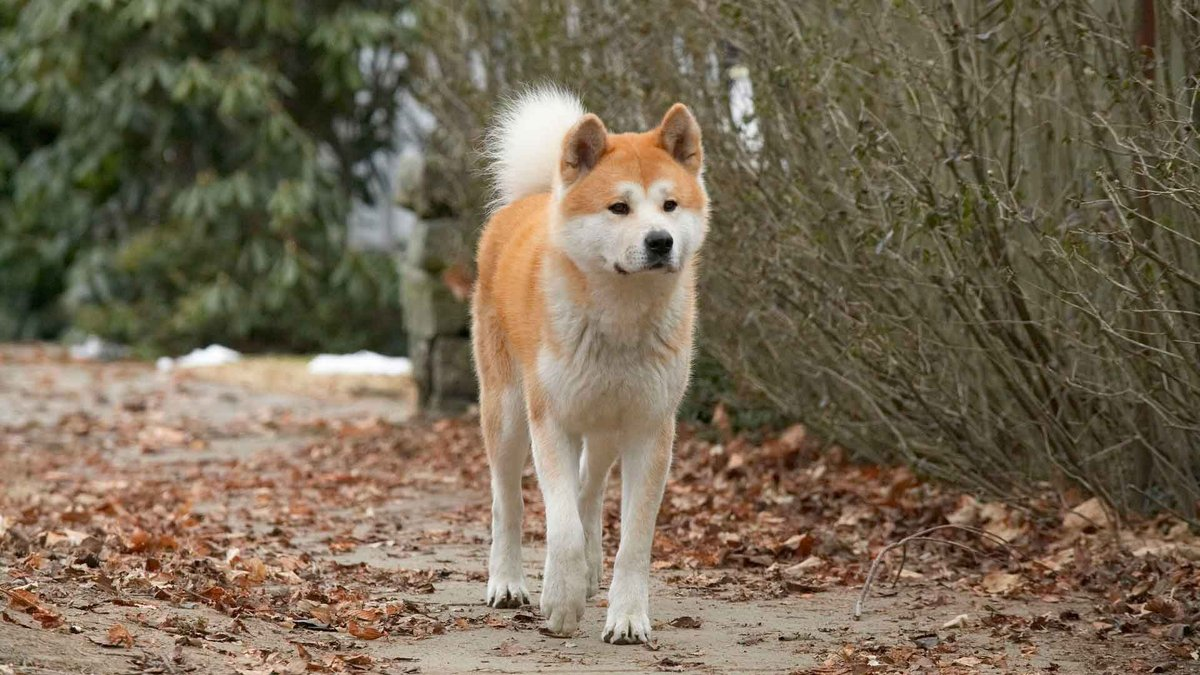
🐕 Akita Inu: A Closer Look
When people talk about Akitas, they often mean the Akita Inu, the original Japanese line.
This version of the breed is slightly more refined in appearance compared to the American Akita, but both share the same core traits: loyalty, independence, and strength.
💪 Physical Appearance: Built Like a Warrior
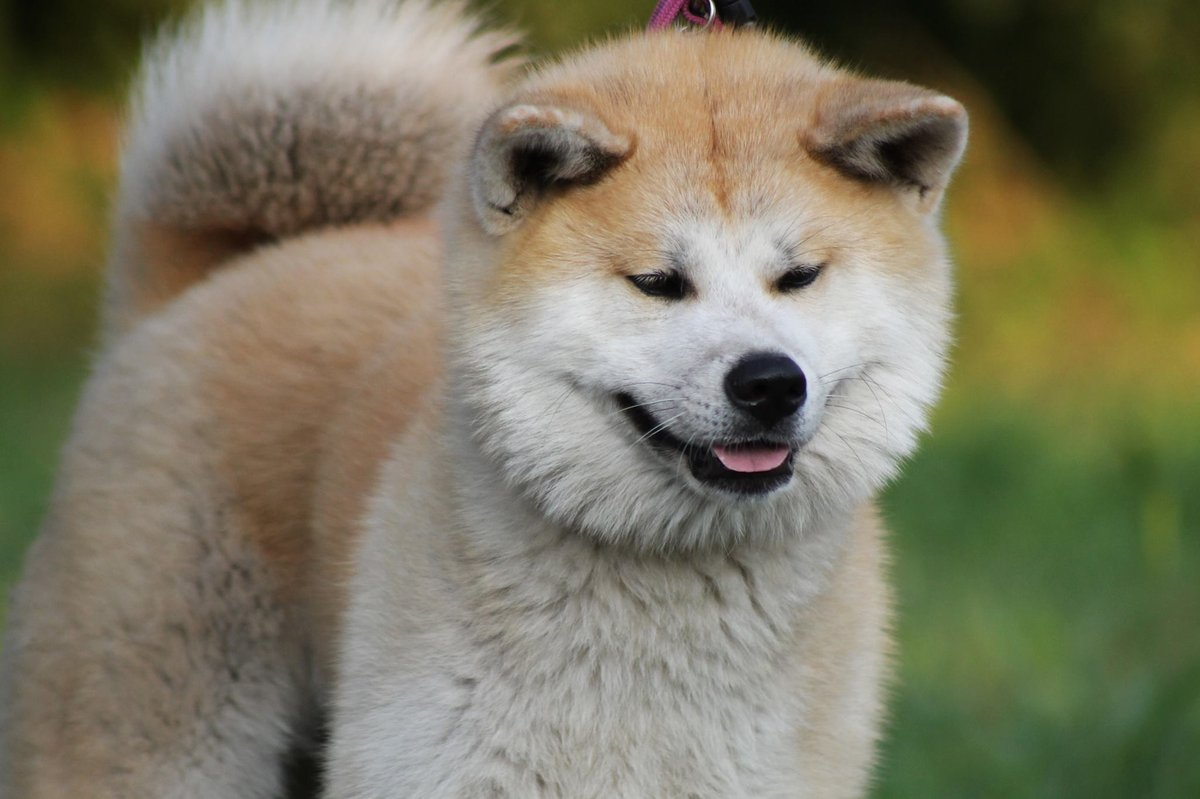
Akitas are instantly recognizable — they look like something straight out of the wild.
Key features:
- Broad, bear-like head
- Small, erect ears
- Deep, intelligent eyes
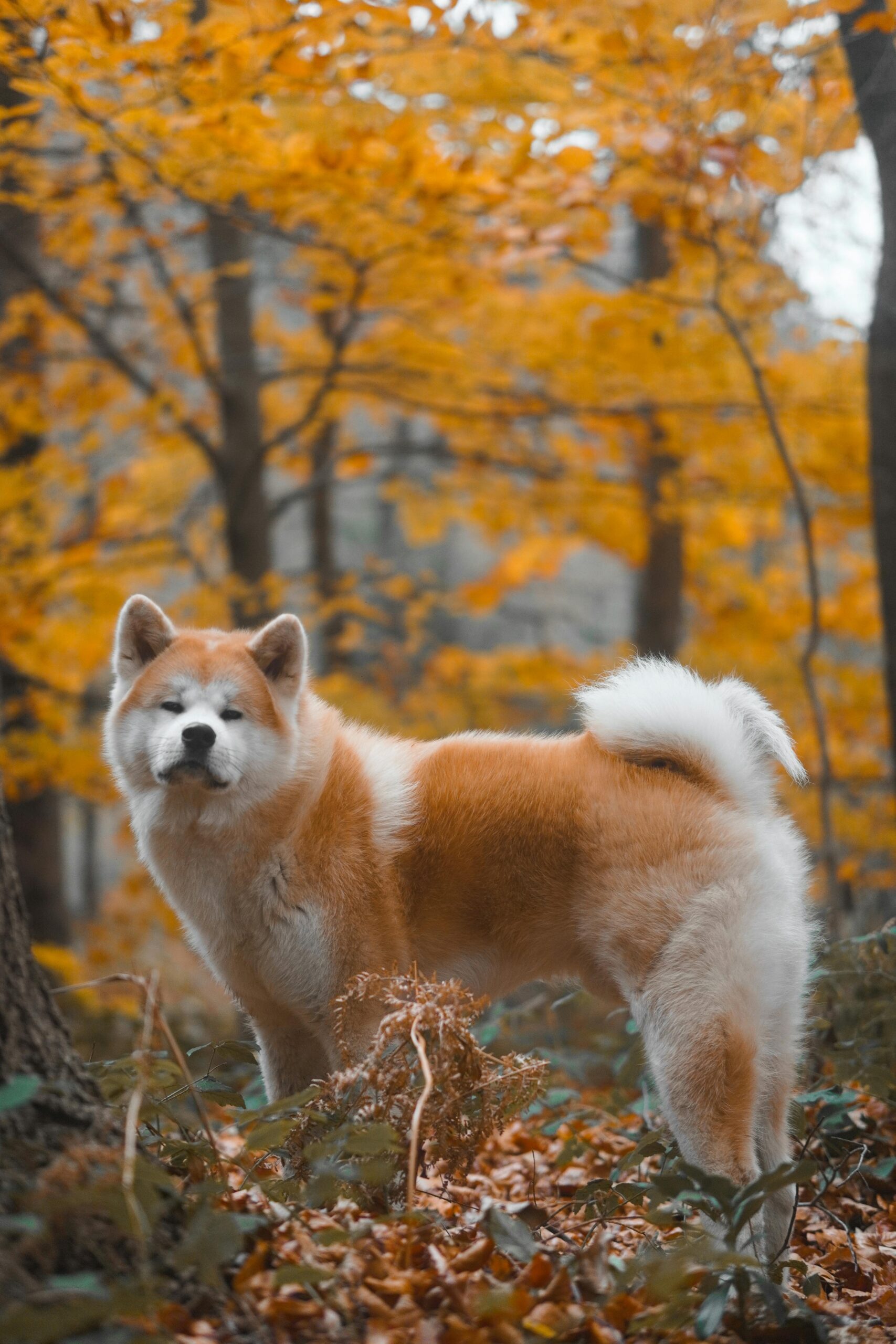
- Curled tail resting over the back
- Thick, weather-resistant double coat
Their coat comes in:
- White 🤍
- Red ❤️
- Brindle 🐅
- Sesame (a mix of colors)
Everything about them screams power and balance.
They don’t just walk — they move with purpose.
📏 Height & Weight
| 🐕 | Males | Females |
|---|---|---|
| Height | 66–71 cm | 61–66 cm |
| Weight | 45–59 kg | 32–45 kg |
👉 This is not a small apartment dog — unless you know exactly what you’re doing.
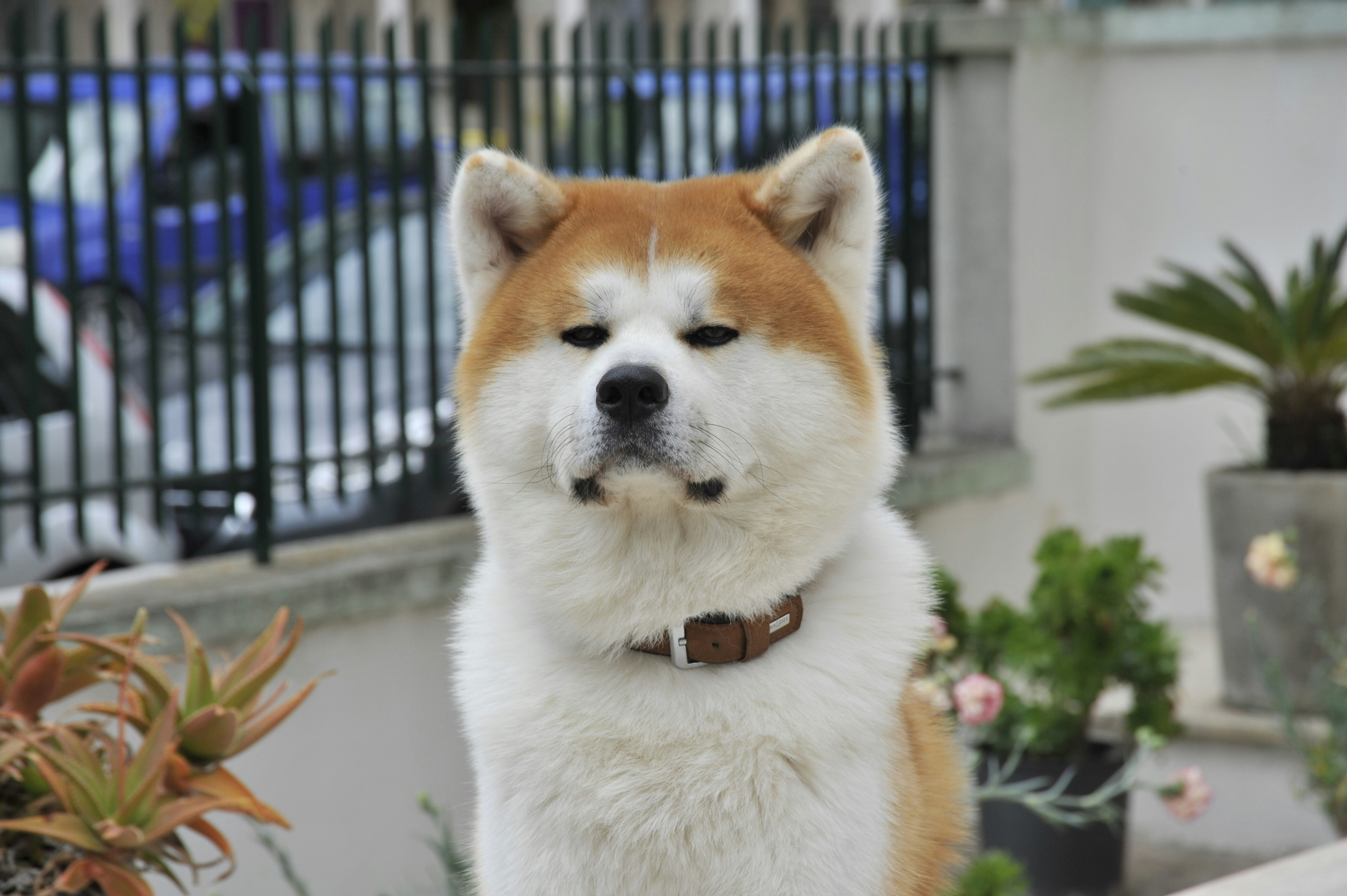
🧠 Akita Temperament: Calm, Loyal… and Independent
Here’s where Akitas become really interesting.
They are:
- Extremely loyal to their family
- Naturally protective
- Often reserved with strangers
- Highly independent thinkers
This is not a “yes boss” dog.
This is a:
👉 “I understand what you want… but I’ll decide if it makes sense.”
That’s why beginners can struggle with this breed.
But if trained correctly?
You get one of the most loyal companions on Earth.
Unlike highly obedient breeds like the German Shepherd or Doberman, the Akita tends to think independently. This means training requires patience and consistency, but the result is a dog that understands rather than blindly follows commands.
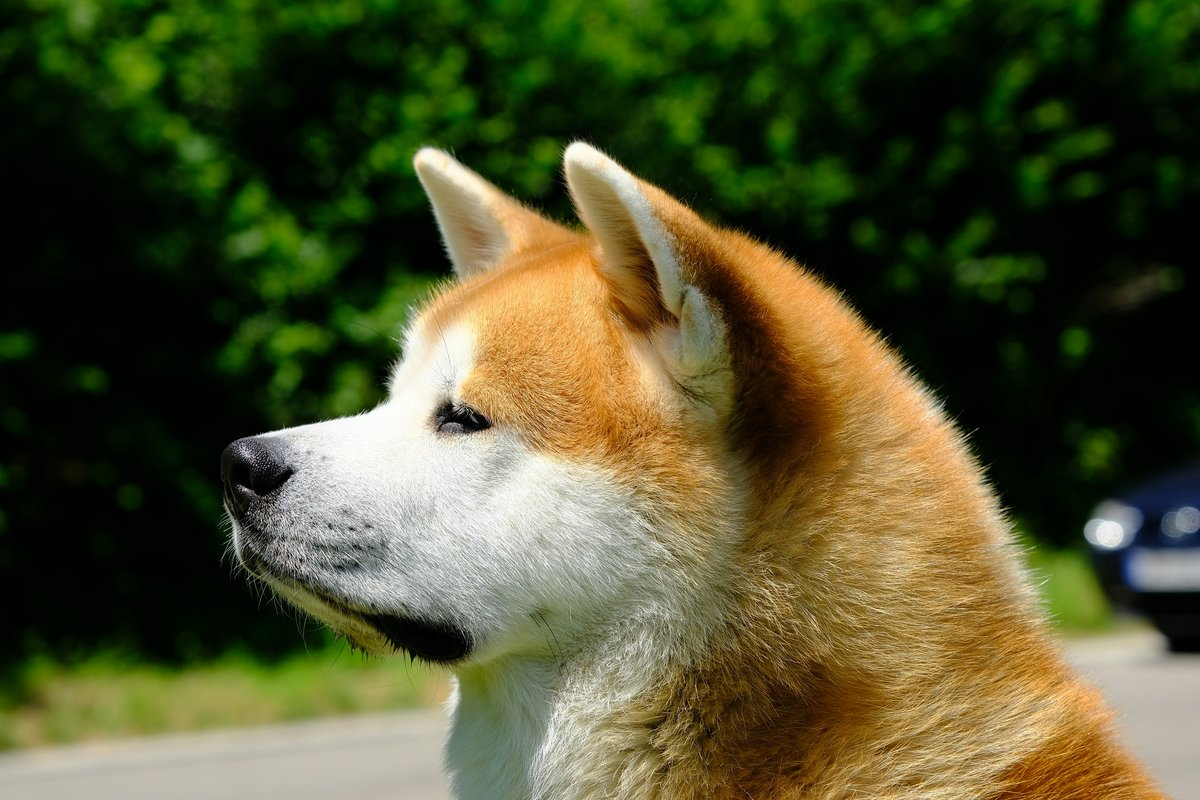
🎓 Akita Breed Intelligence: Smart… but Selective
Akitas are highly intelligent, but not in a “blind obedience” way.
They:
- Learn commands quickly
- Remember patterns easily
- Analyze situations before reacting
But here’s the catch 👇
They don’t always obey instantly.
👉 They think first.
That’s why positive reinforcement works best:
- Rewards 🦴
- Praise 🙌
- Consistency 🔁
Harsh training? Big mistake.
You’ll lose their respect fast.
🏃 Exercise Needs: Power Requires Movement
While breeds like the Belgian Malinois demand intense daily activity, the Akita has more moderate exercise needs. However, they still require consistent physical and mental stimulation to stay balanced and healthy.
Even though Akitas can appear calm, they still need regular activity.
Daily needs:
- Long walks 🚶♂️
- Structured playtime 🎾
- Mental challenges 🧠
Without enough stimulation, they can become:
- Bored
- Stubborn
- Destructive
Think of them like a silent predator — calm on the outside, but always ready for action.
🥩 Diet & Nutrition: Fueling a Giant
A powerful dog needs proper fuel.
Ideal diet includes:
- High-quality protein 🍗
- Healthy fats 🥑
- Balanced nutrients
Avoid:
- Cheap fillers
- Excessive grains
- Overfeeding (Akitas can gain weight fast)
👉 Strong body = proper nutrition + controlled portions
🏥 Health Considerations
Like all breeds, Akitas have some genetic risks.
Common issues:
- Hip dysplasia
- Autoimmune diseases
- Progressive retinal atrophy (eye problems)
- Certain cancers
What you should do:
- Regular vet visits 🩺
- Quality diet 🥩
- Controlled exercise 🏃
- Early detection 👀
A well-cared-for Akita can live a strong, healthy life.
⏳ Lifespan of the Akita Breed:
Akitas typically live:
👉 10–15 years
With proper care, some even exceed that.
Akita Breed vs Other Guard Dogs
Compared to other guard breeds:
Akita vs Other Guard Dogs
Compared to other guard breeds:
| Trait | Akita | Rottweiler | Doberman |
|---|---|---|---|
| Loyalty | Extremely high | Very high | Very high |
| Aggression | Controlled | Moderate | High energy |
| Intelligence | Independent | Obedient | Highly trainable |
| Energy level | Medium | Medium | High |
👉 Akita = quiet strength
Not loud. Not flashy. Just deadly serious when needed.
Think the Akita is the ultimate protector? You might be surprised. Discover how it ranks among the world’s most powerful guardians in our Top 10 Best Guard Dogs.
🐾 The Legendary Story of Hachiko
Now comes the part that made this breed world-famous.
A story so powerful it still brings people to tears.
❤️ Hachiko: The Definition of Loyalty
Hachiko was born in 1923 in Japan.
He was adopted by a professor who lived in Tokyo.
Every single day:
- Hachiko walked his owner to the train station 🚉
- Then returned in the afternoon to wait for him
Same routine. Every day.
Until one day…
The owner never came back.
He passed away suddenly at work.
💔 And Yet… Hachiko Waited
For nearly 10 years, Hachiko returned to the same station.
Every. Single. Day.
Waiting.
Hoping.
Believing his owner would come back.
People noticed.
They started feeding him.
Caring for him.
Respecting him.
He became a symbol — not just a dog.
👉 A legend of loyalty.

🗿 A Legacy That Still Lives
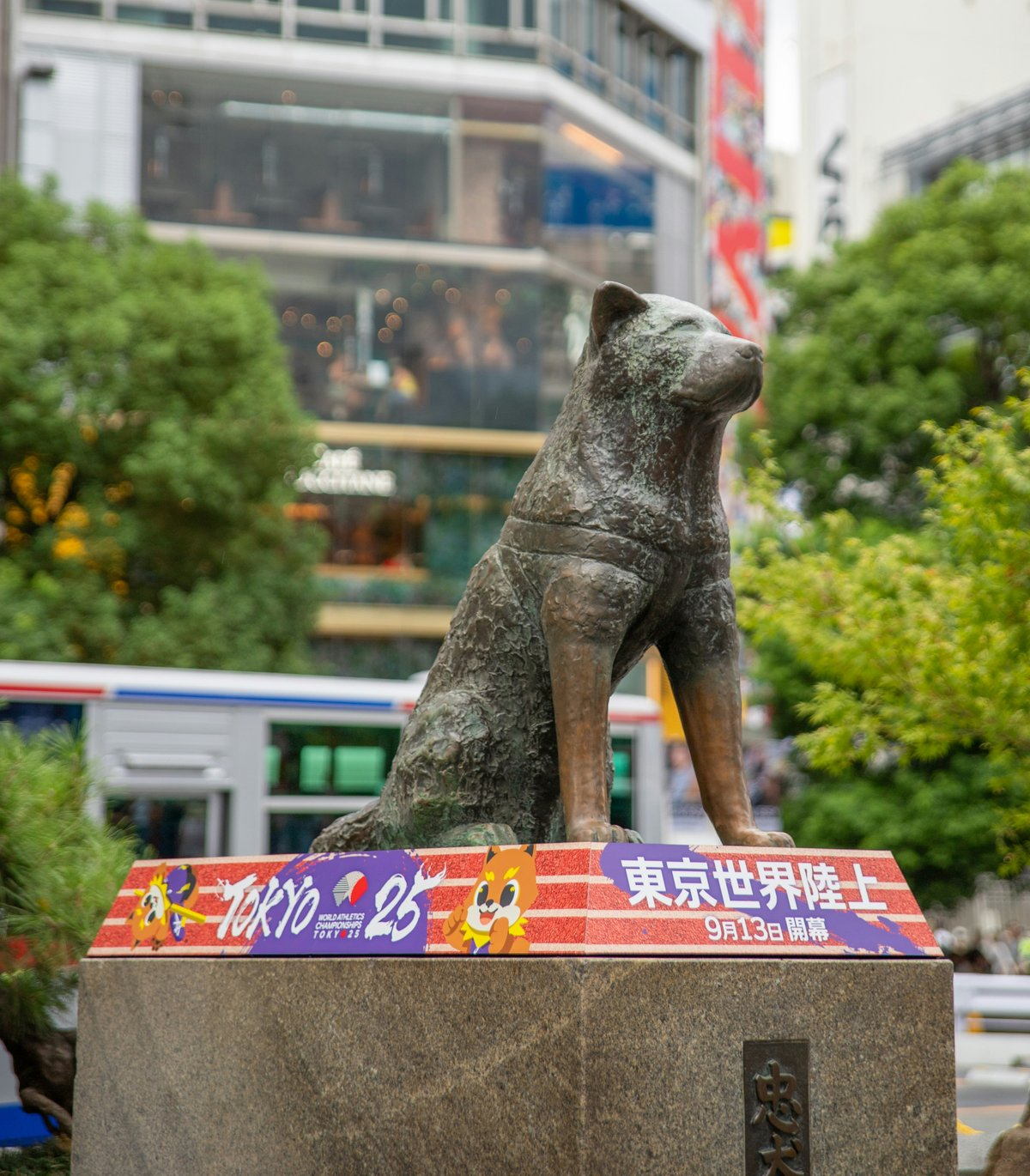
Today, a statue stands where Hachiko once waited.
People from all over the world visit it.
Not because it’s just a dog story…
But because it represents something deeper:
- Loyalty beyond logic
- Love beyond time
- Faith beyond reality
🌍 Why Akita Breed Capture Hearts Worldwide
Akita dogs are not for everyone.
They require:
- Strong leadership
- Consistent training
- Time and patience
But for the right owner?
They offer something rare:
👉 Unbreakable loyalty
They don’t love everyone.
But when they choose you…
They choose you for life.
⚠️ Is an Akita Right for You?
If you’re considering other guard dogs like the Rottweiler or Cane Corso, it’s important to understand that the Akita is less about dominance and more about silent protection and loyalty.
Be real with yourself before getting one.
Akita is NOT ideal if:
- You are a first-time dog owner
- You want a super social dog
- You don’t have time for training
Akita IS perfect if:
- You want a loyal protector
- You respect strong personalities
- You can commit long-term
🏡 Living with an Akita Breed
Life with an Akita is different.
They:
- Bond deeply with one or a few people
- Stay calm indoors
- Are naturally clean 🧼
- Can be territorial
👉 Early socialization is KEY.
Expose them to:
- People
- Other animals
- Different environments
This shapes a balanced adult dog.
Jungle Insight: The Spirit of the Akita
If the jungle had a silent guardian…
It would be the Akita.
Not the fastest.
Not the loudest.
But:
- Observant 👁️
- Patient 🐾
- Powerful 💪
A predator that doesn’t waste energy.
A protector that doesn’t bark without reason.
🐾 Final Thoughts: More Than Just a Dog
The Akita breed is not just about size or strength.
It’s about:
- Loyalty that never breaks
- Courage that never fades
- Love that never dies
From the snowy mountains of Japan to homes around the world…
Their legacy continues.
And thanks to stories like Hachiko…
It always will.
Reference / Learn more:
- Akita (dog breed) – Wikipedia
- PetMD – Akita Dog Breed Health and Care
- DogZone – Akita Inu Breed Information
🌍 Join the Wild Side
If you love animals like this — powerful, rare, unforgettable — then you’re in the right place.
👉 Follow your journey with Anmlzone
👉 Discover animals you’ve never seen
👉 Learn stories that stay with you
Because the animal world isn’t just about survival…
It’s about connection.
Animal Journey
Follow this path to keep exploring related animals and comparisons.

German Shepherd vs Belgian Malinois: 12 Biggest Differences Explained
Continue journey →
Rottweiler vs Doberman: Which Guard Dog Is Better in 2026?
Continue journey →
Top 10 Best Guard Dogs That Will Protect Your Family (2026)
Continue journey →
Cane Corso Dog Breed: The Ultimate Family Protector You Need to Know About
Continue journey →🐾 Explore More Animals
 Cane Corso Dog Breed: The Ultimate Family Protector You Need to Know About
  Dobermann – Strength, Loyalty, and Intelligence in One Elegant Dog
  Top 10 Best Guard Dogs That Will Protect Your Family (2026)
  How to Stop Your Puppy from Whining in the Crate at Night
  Margay wildcat: The Rare Wildcat That Climbs Like a Monkey
  Rottweiler vs Doberman: Which Guard Dog Is Better in 2026?
  German Shepherd Dog: What to Know Before Owning One
  Top 10 Dangerous Animals That Look Cute (But Can Kill You)


10 to 12 years for an average Akita lifespan.To reach, say 14, is extraordinary and rarely seen in an American Akita.