
Last Updated: February 25, 2026

📚 In This Article
Belgian Malinois Dog: What to Know Before Owning One
The Belgian Malinois dog is widely considered one of the most capable and driven working breeds in the world. Fast, intelligent, fearless, and deeply loyal, this remarkable dog is trusted by police forces, military units, protection handlers, and elite search-and-rescue teams across the globe.
However, beyond the high-speed chases and tactical operations lies something even more powerful — an intensely devoted companion that forms an almost unbreakable bond with its owner.
So, is the Belgian Malinois the right dog for you?
Let’s explore everything you need to know.
A Short History of the Belgian Malinois
The Belgian Malinois originated in Belgium in the late 19th century. At the time, farmers needed intelligent, agile herding dogs capable of managing livestock efficiently. As a result, several shepherd varieties were developed.
The Malinois takes its name from the city of Mechelen (Malines), where this short-haired shepherd type became especially popular.
By the early 1900s, breeders had standardized Belgian shepherd types. Although originally bred for herding, the Malinois quickly proved itself in more demanding roles. During both World Wars, these dogs served as messengers, ambulance dogs, and military assistants.
Over time, their exceptional drive, trainability, and courage made them a top choice for police and military work worldwide. Today, they are often seen in elite units due to their unmatched work ethic.
In short, the Belgian Malinois was never meant to be just a pet — it was bred to work with intensity and precision.
The 4 Belgian Shepherd Varieties
The Belgian Malinois is one of four closely related Belgian Shepherd varieties. In many countries, they are considered different coat types of the same breed.
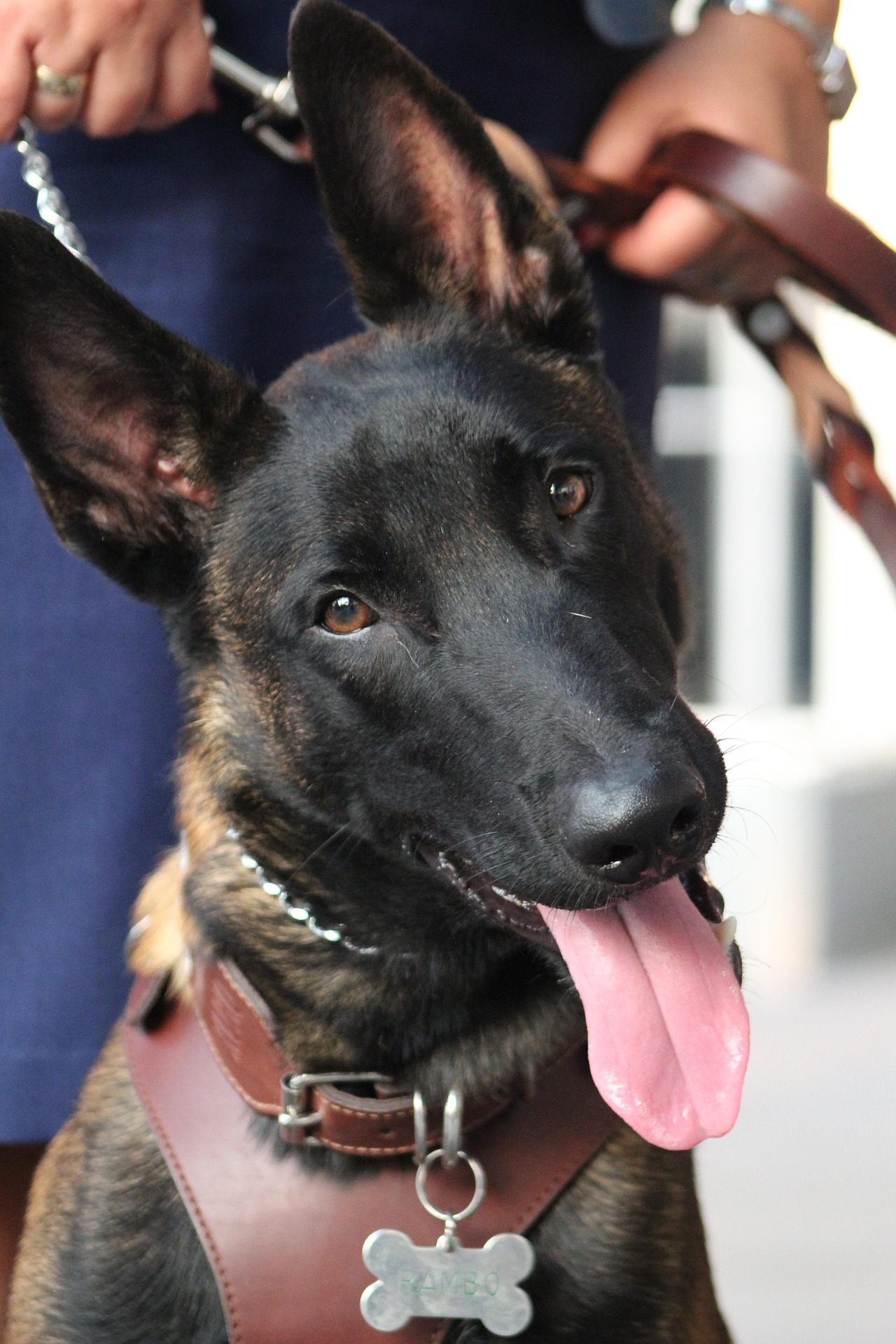
1. Malinois
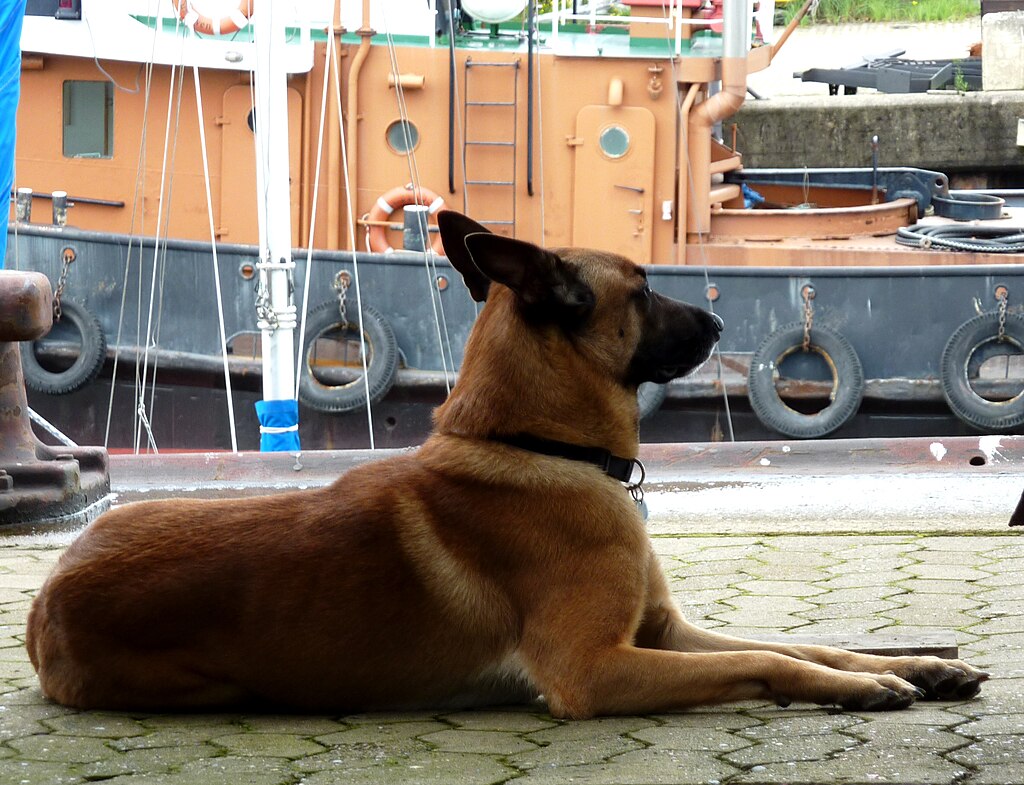
Short coat, fawn color with a black mask, highly athletic. This is the most common working and police dog type.
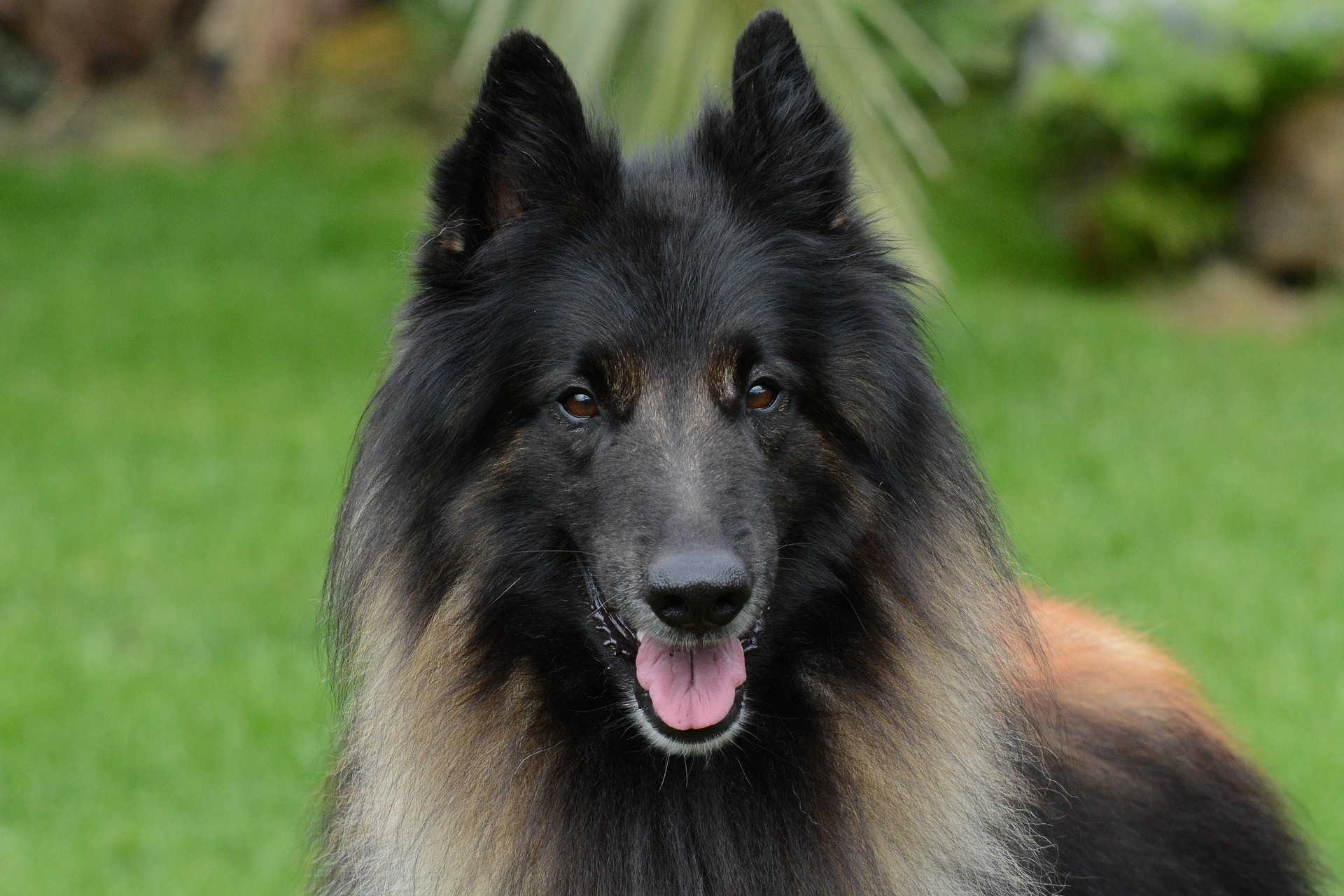
2. Tervueren
Long coat with similar coloring. Often seen in dog sports and conformation shows.
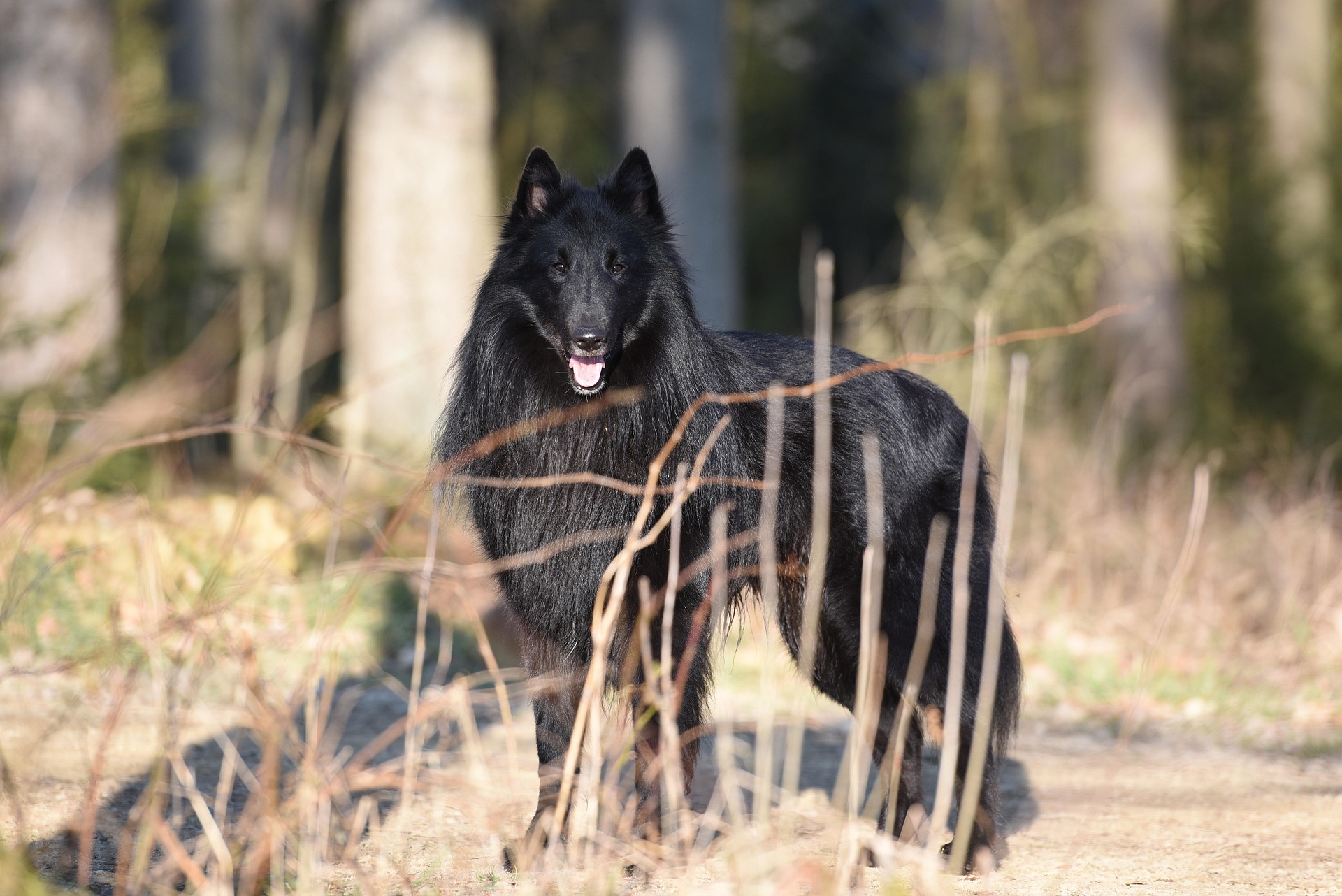
3. Groenendael
Long black coat, very striking look. Known for beauty and intelligence.
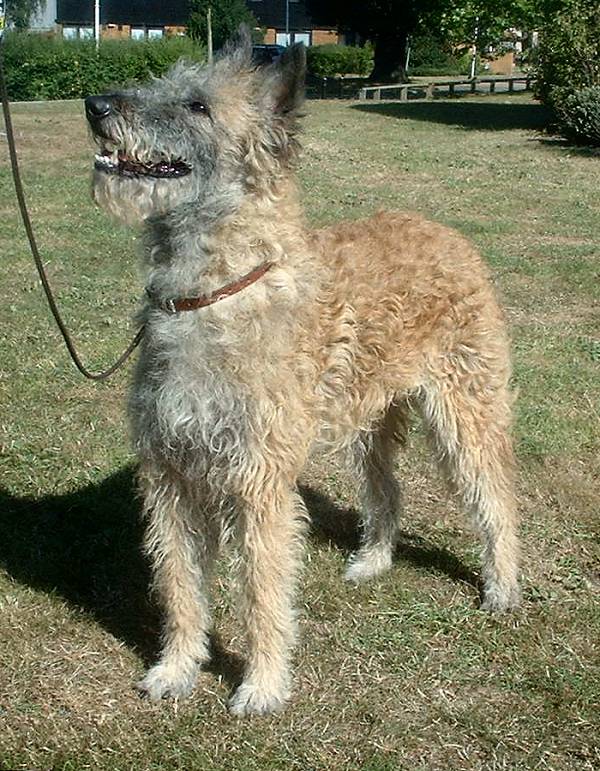
4. Laekenois
Rough, wiry coat and rarer than the others.
Although they differ in coat type, their intelligence, alertness, and energy levels are very similar.
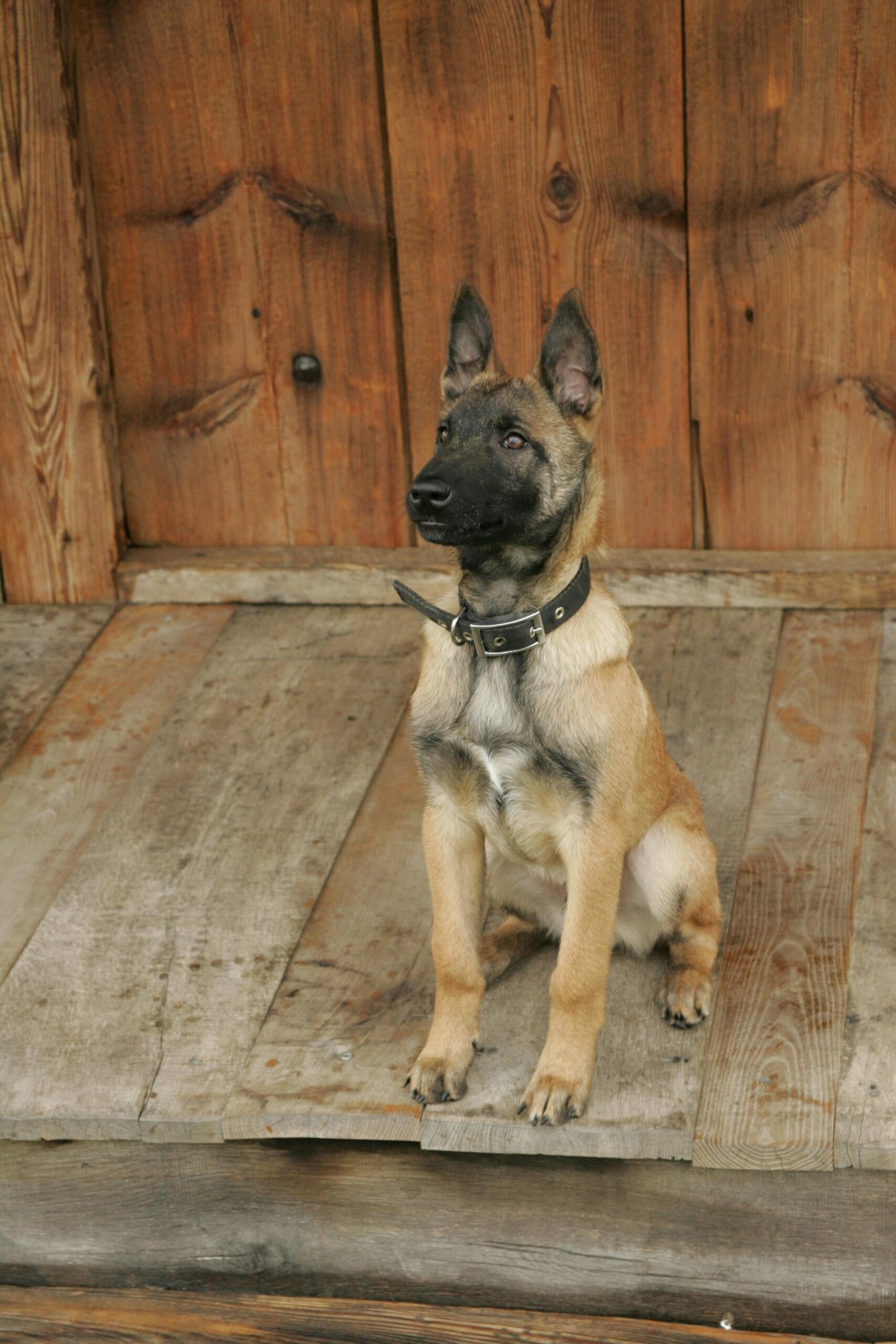
Appearance – Athletic, Lean, and Always Alert
At first glance, the Belgian Malinois looks similar to the German Shepherd. However, upon closer inspection, you’ll notice key differences.
The Malinois is generally:
- Lighter and leaner
- More compact
- Extremely agile
- Built for speed and endurance
Height: 55–66 cm (22–26 inches)
Weight: 20–30 kg (45–65 pounds)
Coat: Short, dense, weather-resistant
Color: Fawn to mahogany with a distinct black mask
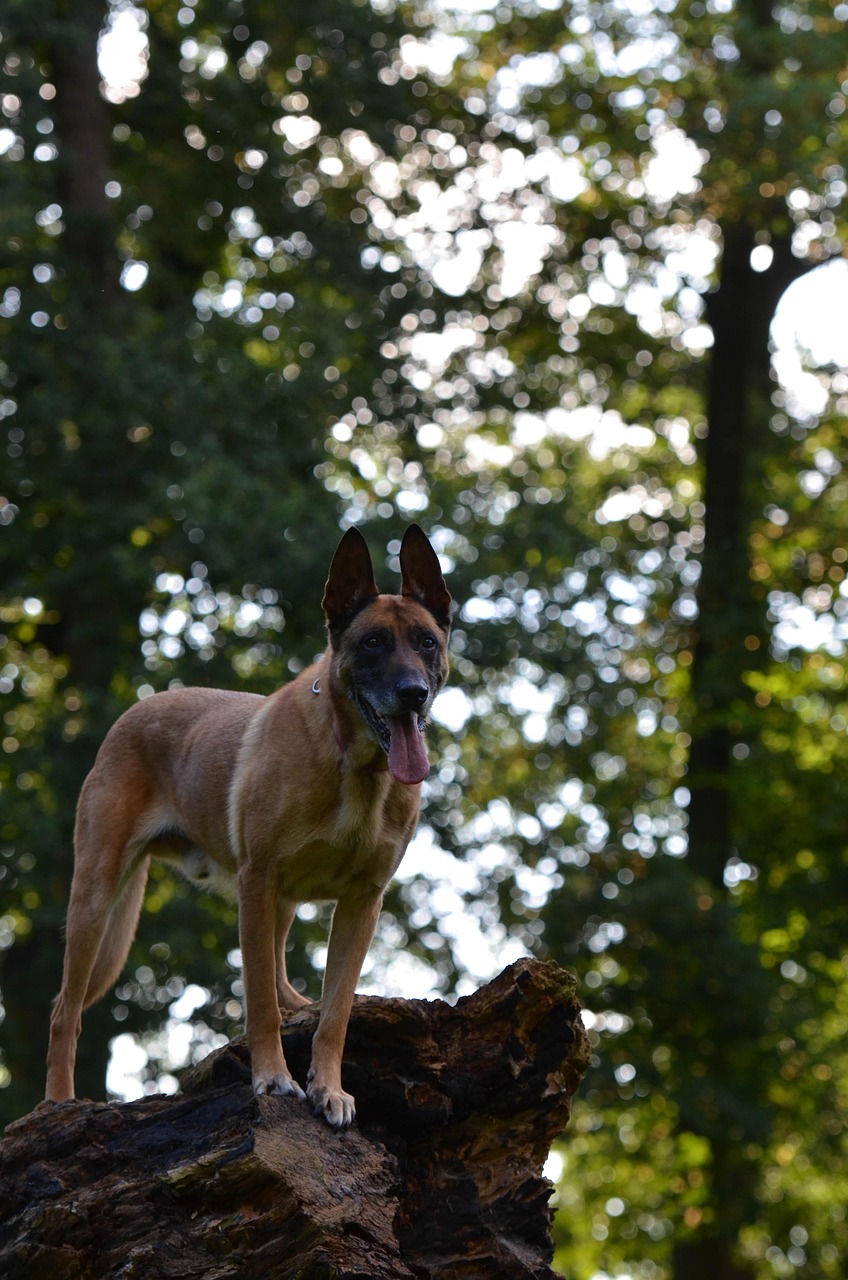
Their upright ears and focused eyes give them an intense, intelligent expression. Everything about their body signals readiness — as if they are always waiting for the next command.
Personality and Temperament – Not for Beginners
The Belgian Malinois temperament is intense. This is not a relaxed, couch-loving breed.
Instead, Malinois are:
- Highly intelligent
- Extremely energetic
- Deeply loyal
- Protective
- Sensitive to their handler
- Driven by purpose
Unlike many companion breeds, the Malinois often forms a primary attachment to one person. They thrive when they have structure, leadership, and a clear job to perform.
However, without sufficient mental and physical stimulation, problems can arise. A bored Malinois may develop destructive behaviors, anxiety, or obsessive habits.
Therefore, this breed is best suited for experienced owners who understand working dogs.
The Malinois Drive – What Makes This Breed Different?
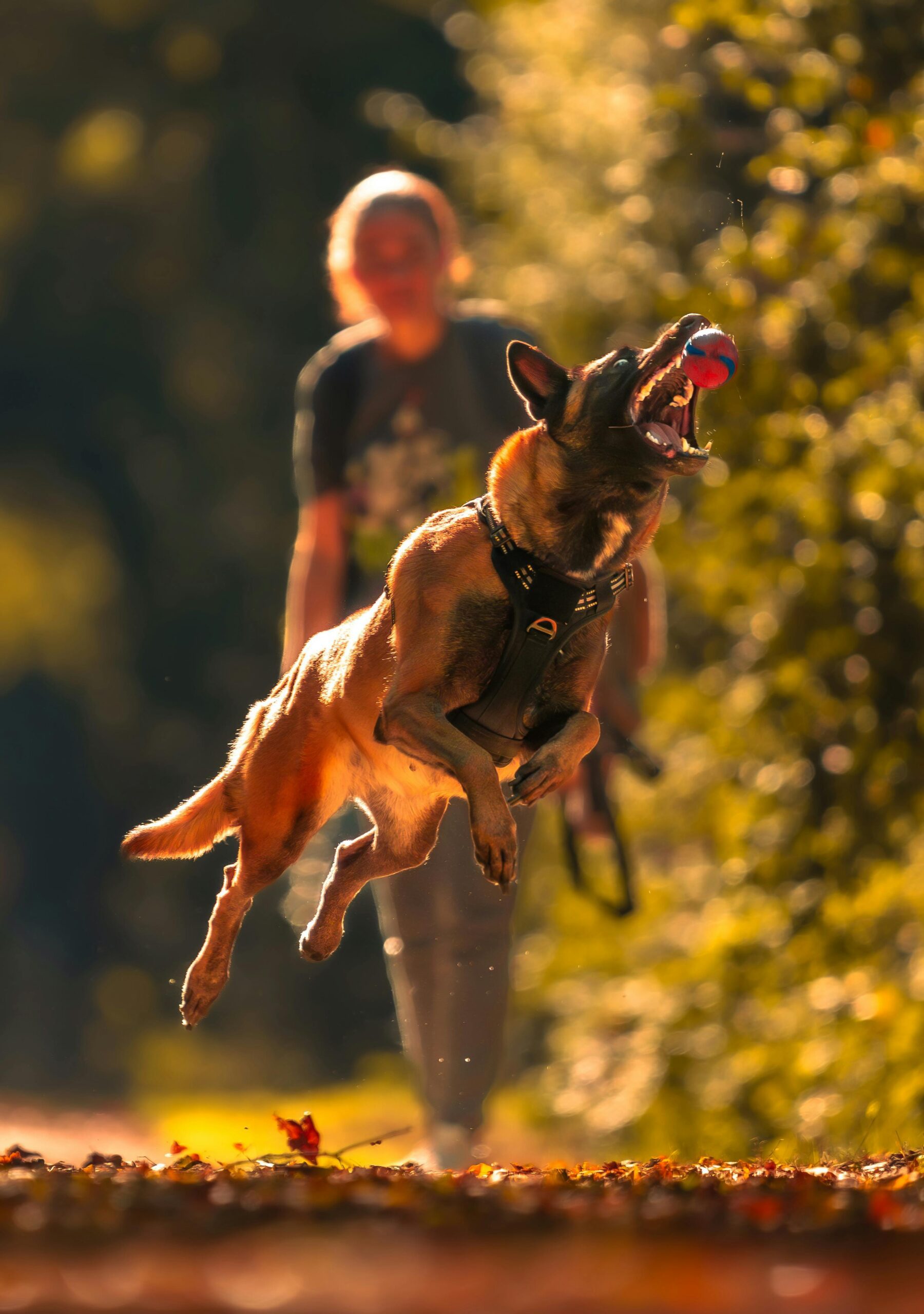
One defining feature of the Belgian Malinois dog is its drive.
Drive refers to a dog’s internal motivation to work, chase, protect, or solve tasks. In the Malinois, this drive is extremely high.
There are several types of drive commonly seen in this breed:
- Prey drive (desire to chase moving objects)
- Work drive (need to perform tasks)
- Protection drive (instinct to guard)
- Mental engagement drive (desire to problem-solve)
Because of this, the Malinois does not simply enjoy activity — it requires structured engagement.
This is precisely why police and military units prefer them. They do not tire easily, and they remain mentally focused even in stressful environments.
Intelligence and Trainability
The Belgian Malinois consistently ranks among the smartest dog breeds. They learn commands quickly and often anticipate their handler’s expectations.
They excel in:
- Police and military operations
- Protection sports
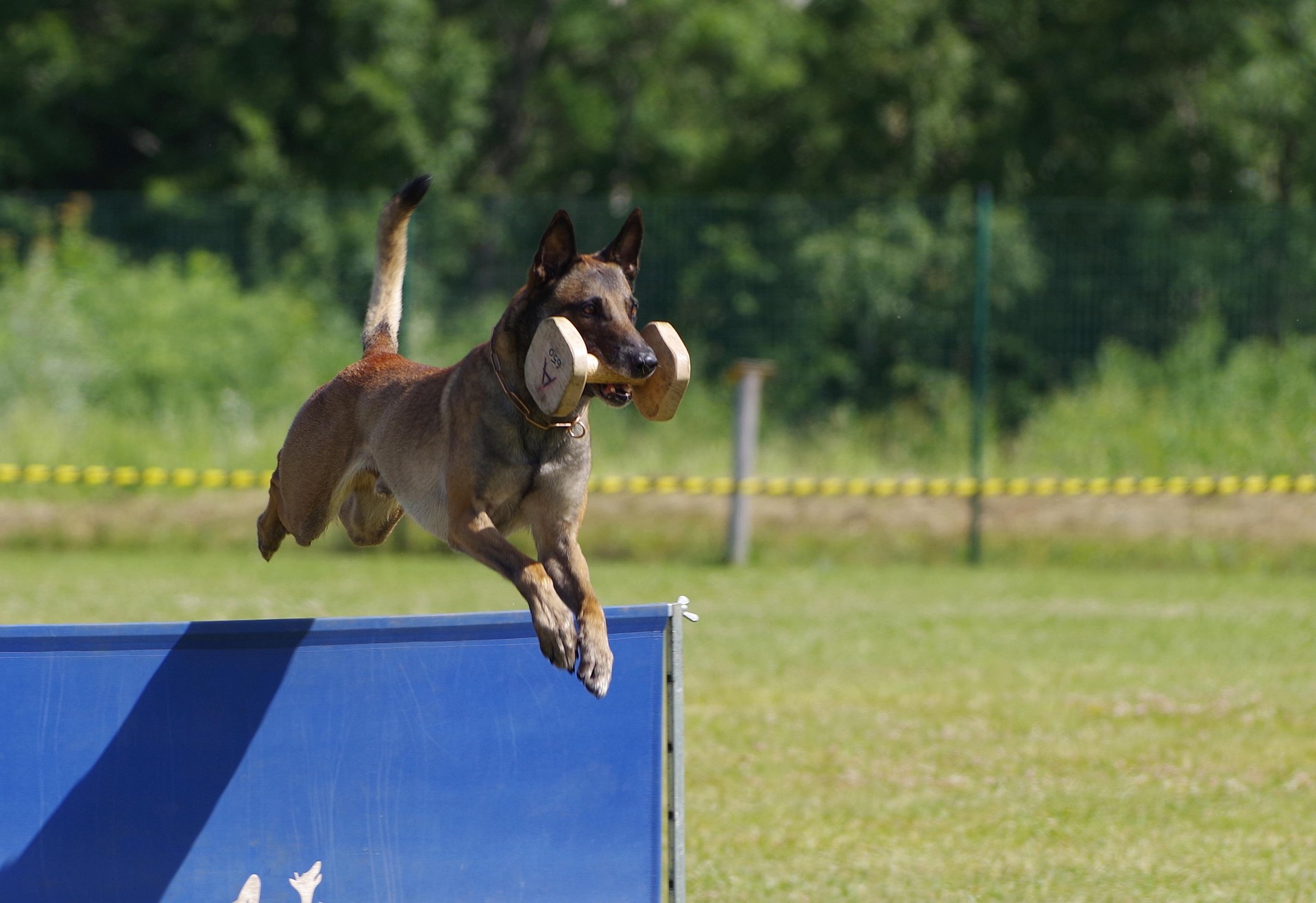
- Agility competitions
- Advanced obedience
- Search and rescue
- Detection and scent work
However, intelligence alone is not enough. Because they learn quickly, they also pick up bad habits quickly.
For this reason, early training and socialization are essential.
Positive reinforcement works exceptionally well. At the same time, clear boundaries and confident leadership are crucial. A Malinois respects consistency.
Exercise Needs – Extremely High
One of the most common mistakes people make is underestimating the Belgian Malinois exercise requirements.
This is not a “one walk per day” breed.
Instead, they require:
- 2–3 hours of physical activity daily
- Mental challenges
- Obedience drills
- Interactive games
- Advanced training sessions
For example, activities such as hiking, tracking, agility, and structured play are ideal.
Without these outlets, frustration builds quickly.
Simply put, this breed thrives when busy.
Living With a Belgian Malinois – Daily Reality
Living with a Malinois is an experience unlike owning most other breeds.
First, they are often described as “velcro dogs.” They follow their owner everywhere. Secondly, they are extremely observant and sensitive to your mood.
A typical day may involve:
- Morning training session
- Long walk or run
- Structured play
- Mental puzzle exercises
- Evening obedience reinforcement
If you work long hours away from home, this breed may struggle. However, if you enjoy an active lifestyle and structured routines, they can become extraordinary companions.
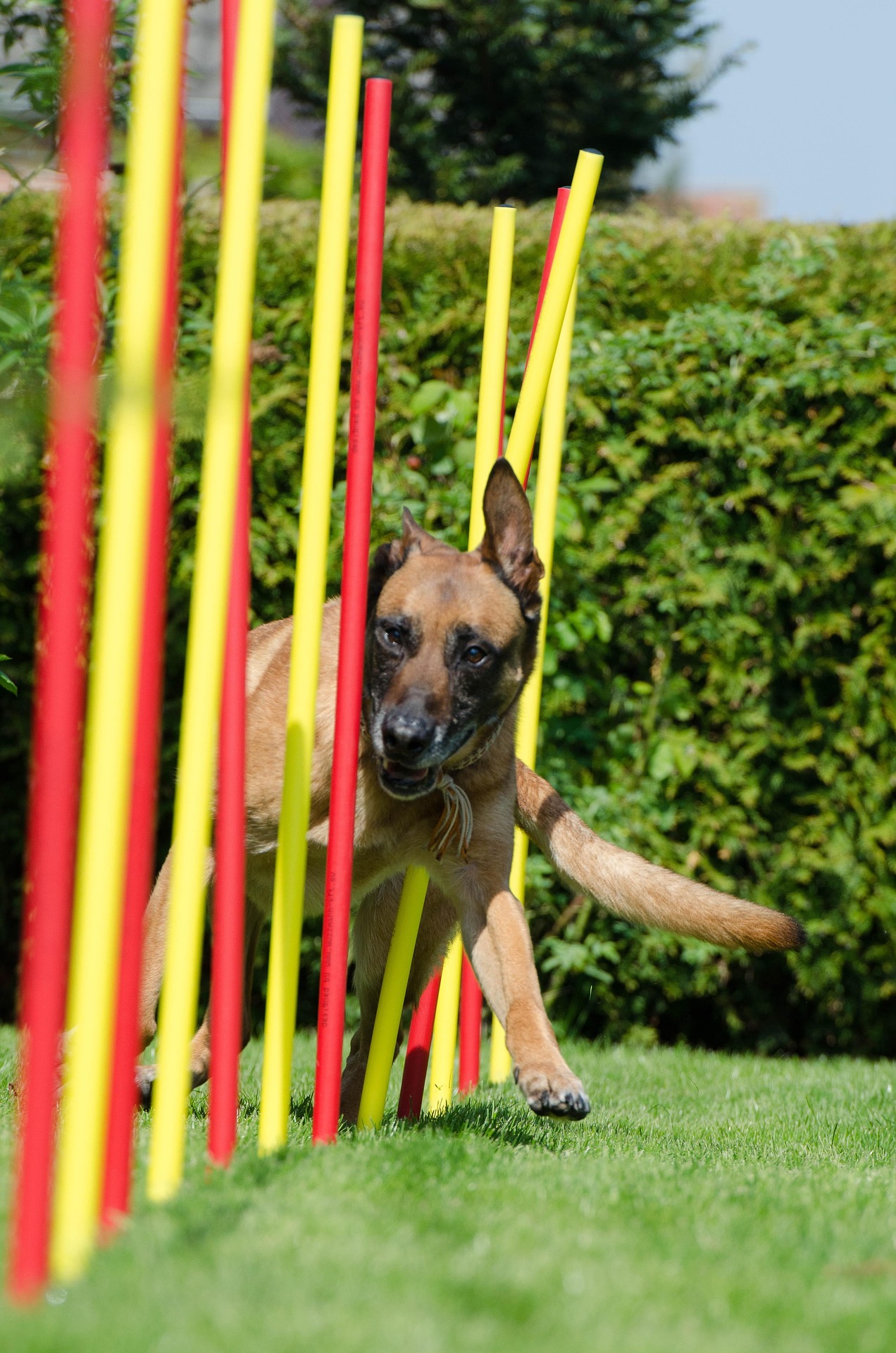
Belgian Malinois vs German Shepherd – What’s the Difference?
Because of their similar appearance and roles, the Belgian Malinois is often compared to the German Shepherd.
Although both breeds are intelligent working dogs, there are important differences.
Size: German Shepherds are generally larger and heavier.
Energy Level: Malinois tend to have even higher energy and drive.
Intensity: Malinois are often more intense and focused.
Family Versatility: German Shepherds are often slightly more adaptable as family dogs.
While both breeds excel in protection and service work, the Malinois is typically better suited for highly experienced handlers seeking a performance-level working partner.
If you are considering either breed, understanding these differences is crucial.
Health and Lifespan
Belgian Malinois generally live 12–14 years and are considered relatively healthy.
However, common health concerns include:
- Hip dysplasia
- Elbow dysplasia
- Progressive retinal atrophy
- Epilepsy
Reputable breeders perform health screenings to reduce risks.
Additionally, because of their high activity levels, injuries can occur if young dogs are overworked.
Grooming and Care
Fortunately, grooming is simple.
- Weekly brushing
- Increased brushing during shedding season
- Regular nail trimming
- Ear cleaning
- Dental care
Although they shed moderately, their short coat makes maintenance easy.
In colder climates, additional protection may be necessary during winter.
How Much Does a Belgian Malinois Cost?
Cost is an important consideration.
Puppy price: $1,000–$3,000+ depending on bloodline
Food costs: High-quality diet required
Training: Professional training can be significant
Veterinary care: Routine plus preventive screenings
Equipment: Crates, harnesses, training tools
Because this breed requires ongoing training and activity, ownership costs are typically higher than average companion dogs.
Is a Belgian Malinois Right for You?
This breed is perfect for experienced dog owners with an active lifestyle.
A Malinois might be right for you if you:
- Love training and dog sports
- Have lots of time for exercise
- Want a loyal working partner
- Have experience with strong breeds
Maybe not ideal if you:
- Want a calm house dog
- Work long hours away from home
- Have little training experience
Malinois need a job, structure, and close contact with their owner.
Frequently Asked Questions About the Belgian Malinois
Q: Are Belgian Malinois aggressive?
A: Not inherently. However, they are protective by nature and require proper training and socialization to ensure they behave safely around family, strangers, and other animals.
Q: Can a Belgian Malinois live in an apartment?
A: Only if the owner provides extensive daily exercise and mental stimulation. Without enough activity, they may become bored, stressed, or destructive.
Q: Why do police use Belgian Malinois?
A: Belgian Malinois are favored by police and military because of their speed, intelligence, incredible work drive, and reliability under pressure. They can focus intensely on tasks, making them ideal for protection, detection, and search-and-rescue work.
Q: How much exercise does a Belgian Malinois need?
A: At least 2 hours of daily physical exercise, plus mental challenges like obedience, agility, scent work, or puzzle games. They thrive when kept busy and engaged.
Final Thoughts
The Belgian Malinois dog is one of the most capable working breeds on Earth. Intelligent, courageous, loyal, and tireless, they give everything to their handler.
However, they are not for everyone.
With the right leadership, structure, and commitment, a Belgian Malinois becomes more than a pet — it becomes a true working partner and lifelong companion.
If you are ready for intensity, discipline, and deep loyalty, this extraordinary breed will challenge and inspire you every single day.
📣 Stay Connected!
If you loved learning about the Belgian Malinois and want more tips, guides, and updates about dogs, join our community on Facebook! 🐾
Follow us for daily insights, fun facts, and the latest posts from Anmlzone. Don’t miss out — your next favorite dog guide is just a click away!


 Klikni na “Insert link” u caption-u i linkuj originalnu stranicu slike na Wikimedia: https://commons.wikimedia.org/wiki/File:Belgian_Laekenois_600.jpg)