
Last Updated: February 28, 2026
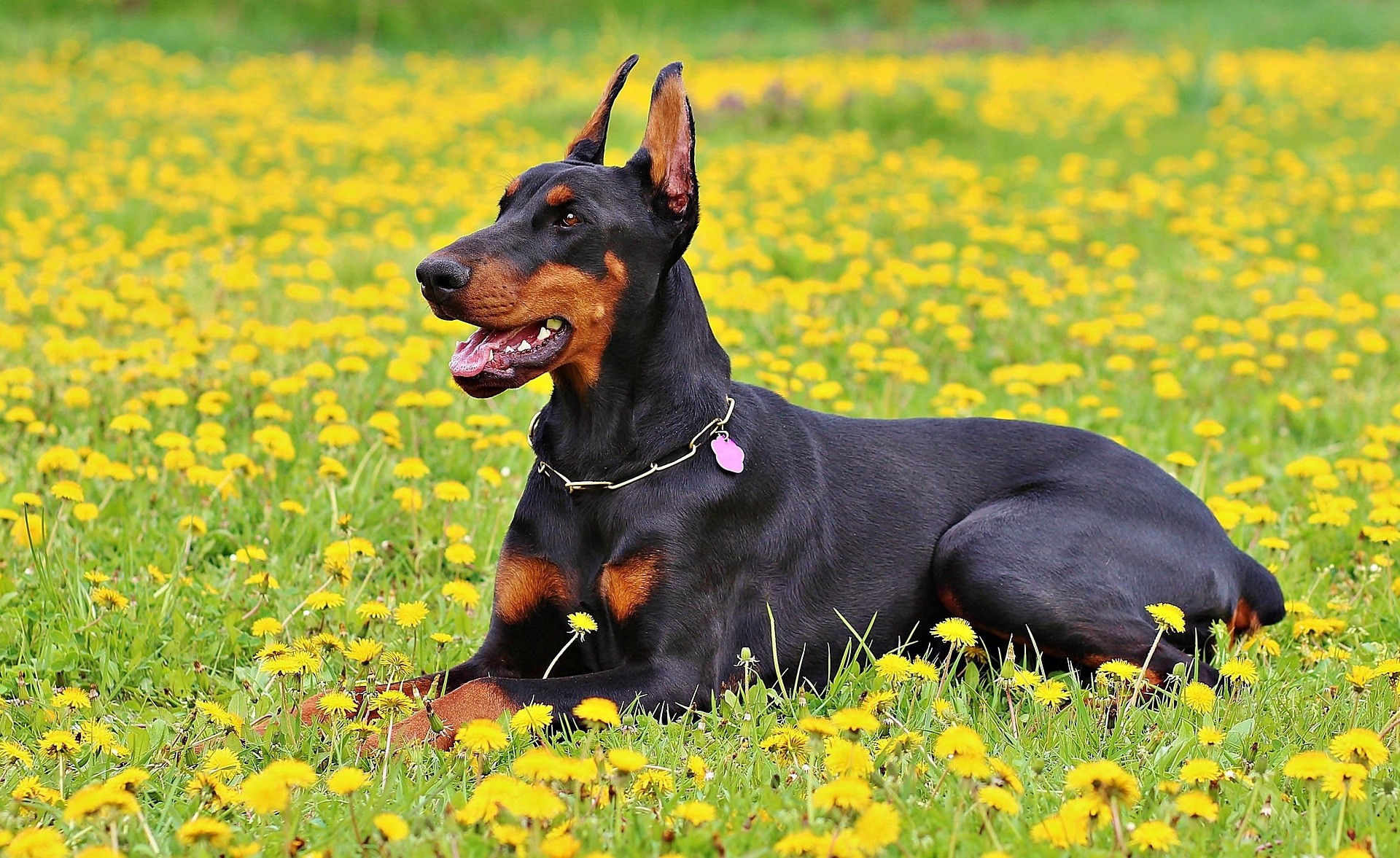
📚 In This Article
Dobermann – Strength, Loyalty, and Intelligence in One Elegant Dog
The Dobermann is one of the most iconic dog breeds in the world. Sleek, muscular, and alert, it combines elegance with strength. But behind that powerful appearance lies a deeply loyal, intelligent, and sensitive companion, capable of forming an incredible bond with its family.
Whether you’re considering adding a Dobermann to your household, or you simply want to learn more about this fascinating breed, this article covers everything—from history and personality traits to training tips, health, and grooming.
While Dobermanns are famous for their alertness and loyalty, the German Shepherd impresses with a calm, confident intelligence that adapts to many roles — from family protector to police dog. The Belgian Malinois, on the other hand, is all about energy and agility, always ready for action. Curious which working dog fits your life? Discover more in our full guides.
A Short History of the Dobermann Breed
The Dobermann was developed in the late 1800s by German tax collector Louis Dobermann. His profession was dangerous—he often collected taxes in high-crime areas—so he needed a dog that was loyal, brave, and intelligent, capable of protecting him during his work.
By carefully crossing breeds such as Rottweilers, Greyhounds, German Pinschers, and Weimaraners, Dobermann created a dog that was fast, strong, and trainable. The result was the Dobermann Pinscher, a breed that could serve as a guard, protector, and family companion.
The breed quickly gained popularity in Germany as both a police and family dog, and later spread across Europe and the United States. Today, Dobermanns are recognized for their devotion, intelligence, and versatility, excelling in roles ranging from family companions to therapy and working dogs.
Dobermann Appearance – Sleek, Muscular, and Elegant
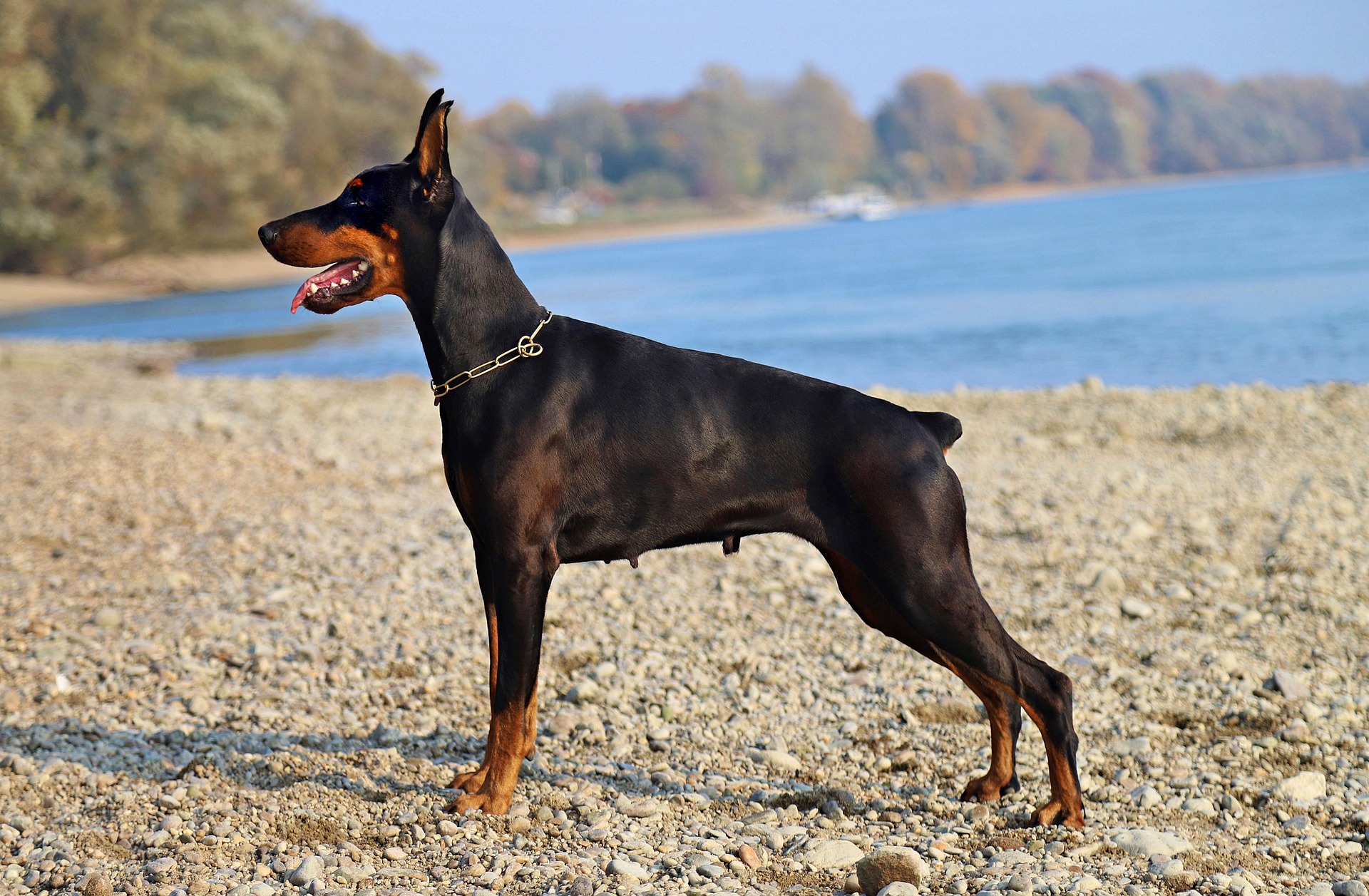
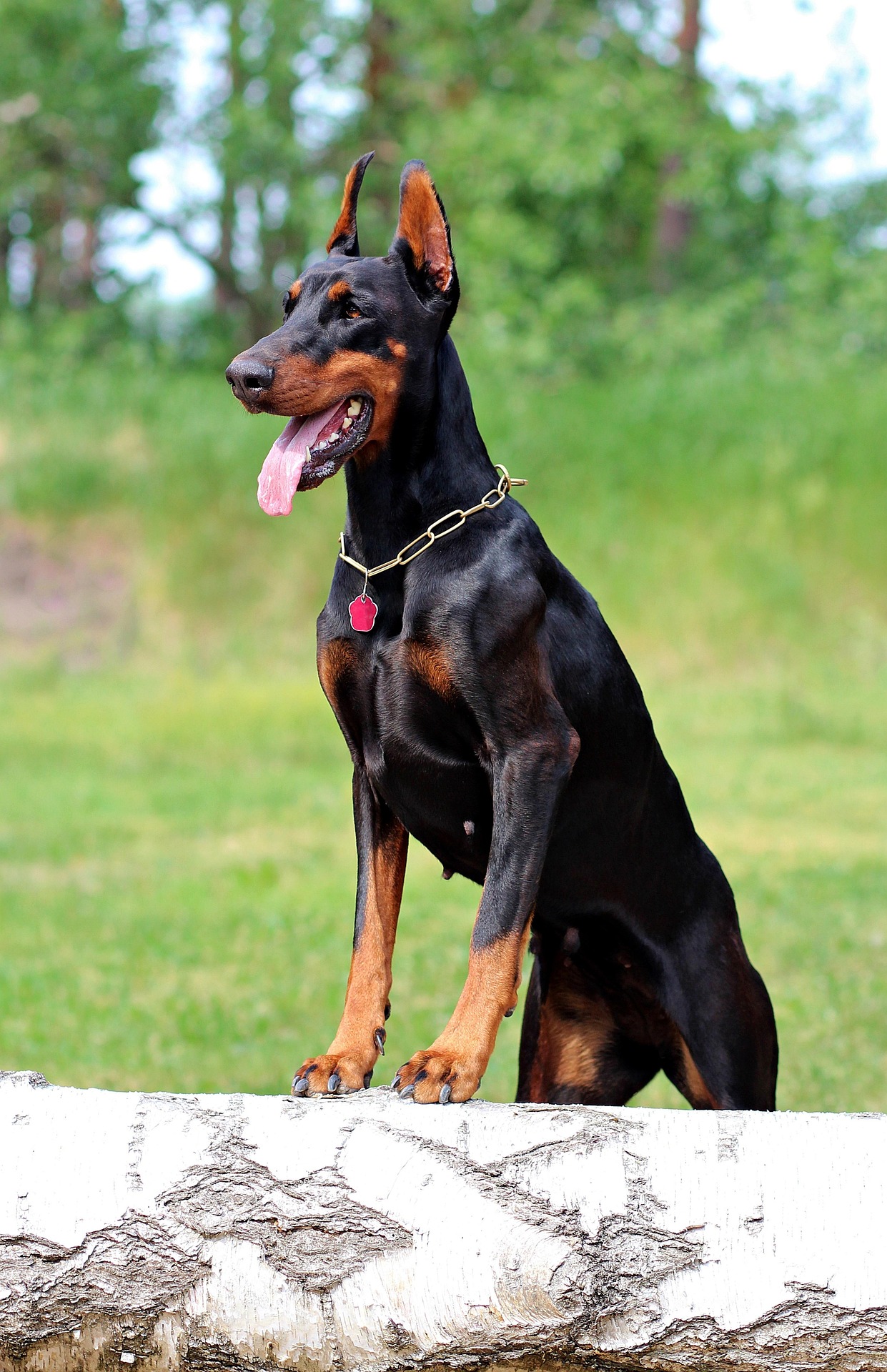
Dobermanns are medium-to-large dogs with a lean, muscular build. Every part of their body reflects athleticism, speed, and power.
Key features:
- Height: 63–72 cm (25–28 inches)
- Weight: 30–45 kg (65–100 lbs)
- Body: Lean, muscular, athletic
- Coat: Short, smooth, shiny
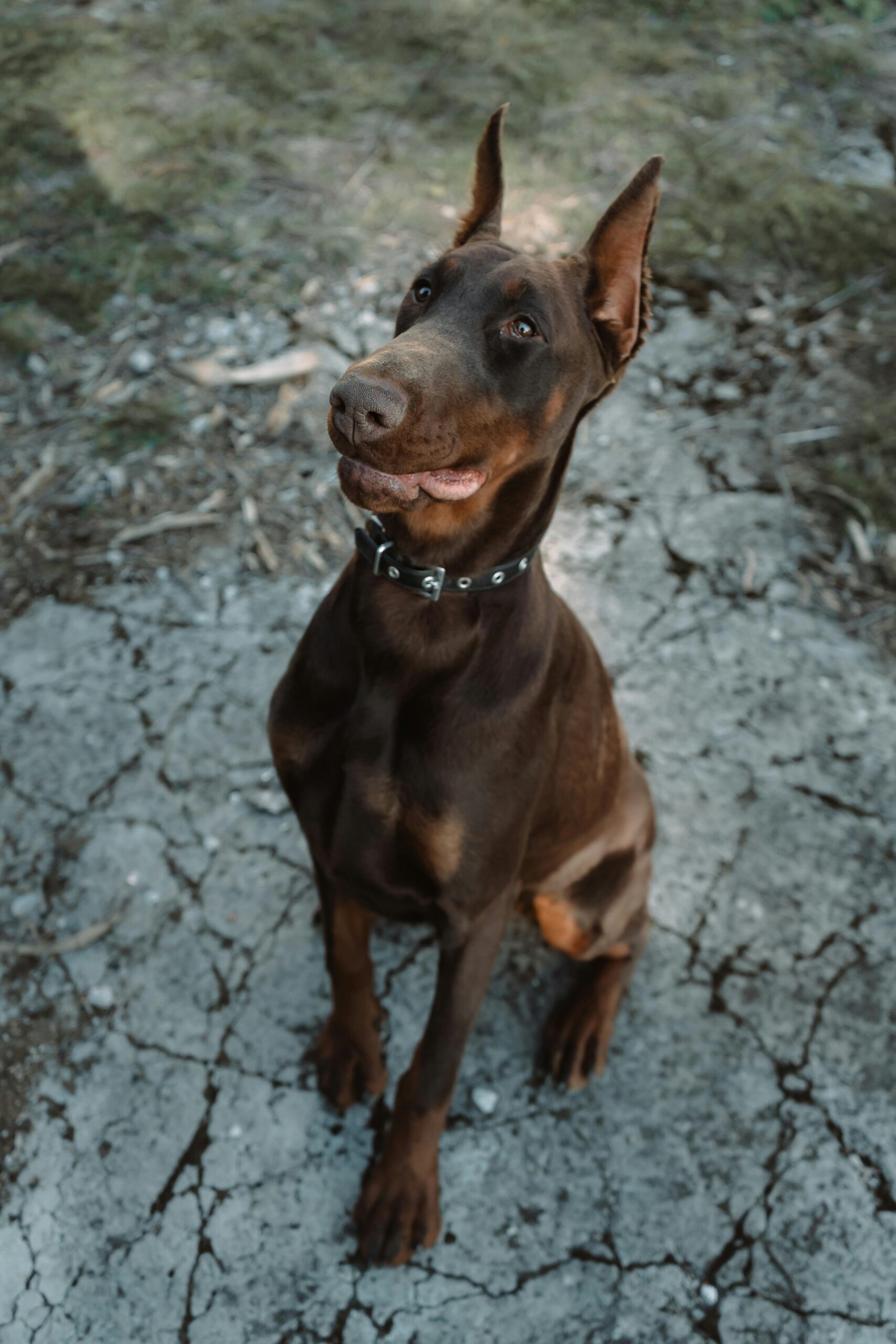
- Colors: Black, red, blue, or fawn with rust markings
Their long, strong head, alert ears, and intelligent eyes give them a proud, noble appearance. Whether standing or moving, Dobermanns exude confidence and agility.
Many people confuse Dobermanns with other guard breeds like the German Shepherd, but Dobermanns tend to have a sleeker, more elegant frame and shorter coat, giving them a distinctive, athletic look.
Dobermann Personality and Behavior
Dobermanns are often misunderstood. Many assume they are aggressive or dangerous, but a well-raised Dobermann is calm, loyal, and loving.
Key personality traits:
- Extremely loyal
- Highly intelligent
- Protective of family
- Sensitive and emotional
- Energetic and playful
These dogs form deep bonds with their owners and often follow them everywhere. They are gentle with children and can coexist peacefully with other pets if socialized from an early age.
Their protective instincts mean they are cautious with strangers, but a properly trained Dobermann is never aggressive without reason. Compared to the Belgian Malinois, Dobermanns tend to be slightly calmer in family settings while maintaining strong guard instincts.
Intelligence and Trainability
Dobermanns are among the smartest dog breeds in the world. They learn quickly, enjoy challenges, and thrive when given tasks.
Areas they excel in:
- Obedience training
- Protection sports
- Agility and tracking
- Police and military work
- Therapy work
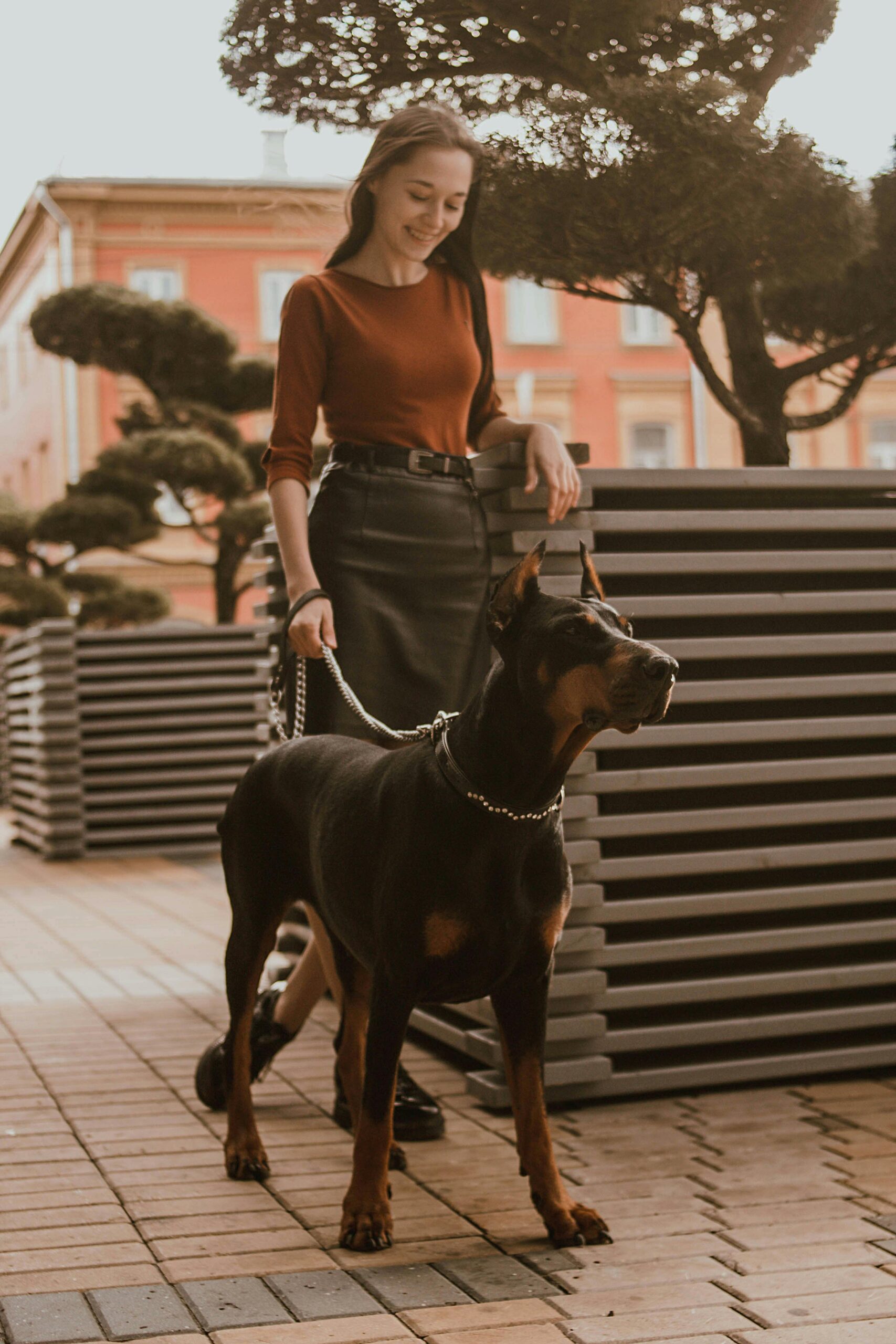
They respond best to positive, confident, and consistent training. Harsh punishment can damage trust because Dobermanns are sensitive dogs.
Training tips:
- Start training early (puppy socialization is key)
- Use reward-based methods such as treats, praise, or play
- Keep sessions short and engaging
- Introduce mental challenges (puzzle toys, tracking games)
- Expose them to different environments and people
Dobermanns share a lot of trainable traits with the Belgian Malinois, especially in terms of intelligence and working drive, but Dobermanns are often slightly more focused on family attachment.
Exercise Needs – Active but Balanced
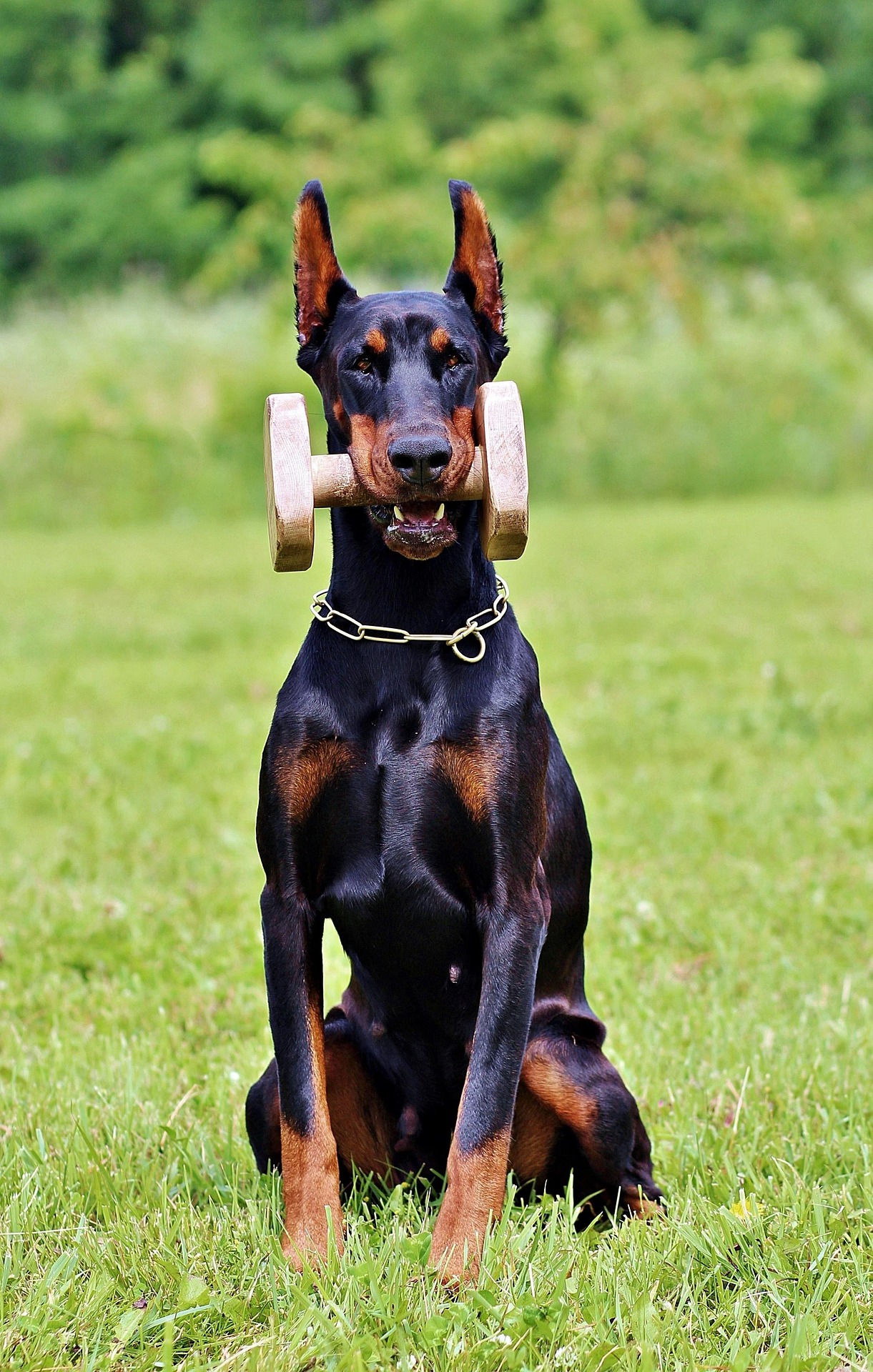
Dobermanns are active dogs that need daily physical and mental stimulation.
Recommended daily activity:
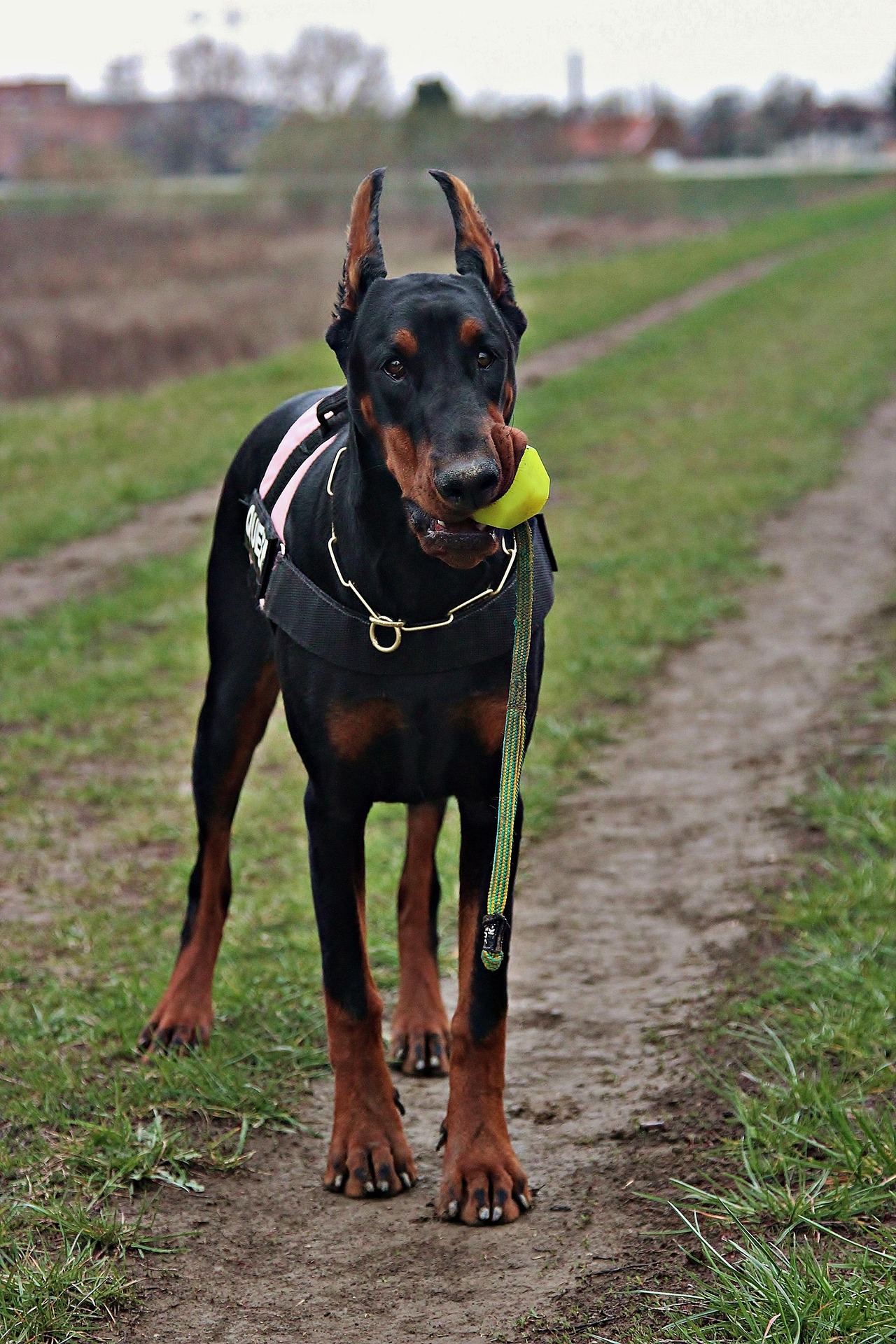
- 1–2 hours of exercise
- Walks, jogging, or running
- Training sessions and obedience drills
- Fetch, agility, or interactive games
Lack of exercise can lead to boredom, anxiety, and behavioral problems. These dogs thrive in homes that offer structured activity and consistent engagement.
Training Tips and Activities
Dobermanns are versatile and excel in both physical and mental challenges.
Activities for an engaged Dobermann:
- Obedience competitions – improve focus and responsiveness
- Agility courses – enhance coordination and strength
- Tracking and scent work – tap into natural instincts
- Protection or guard dog training – appropriate for confident owners
- Interactive play – fetch, tug-of-war, or puzzle toys
Because of their intelligence and energy, Dobermanns enjoy learning new tricks and tasks daily. Even simple activities like hiding treats or practicing commands can be stimulating.
🐾 Curious About Other Powerful Guardian Breeds?
If you love the Dobermann’s strength and loyalty, you may also want to explore:
- The disciplined and versatile German Shepherd
- The high-drive Belgian Malinois
- And the majestic, deeply loyal Akita — a breed wrapped in history, honor, and quiet power.
Health and Lifespan
Dobermanns generally live 10–13 years, but like all breeds, they have some genetic health risks.
Common health concerns:
- Dilated cardiomyopathy (heart disease)
- Hip dysplasia
- Von Willebrand disease
- Bloat (gastric torsion)
- Wobbler syndrome (spinal condition)
Tips for maintaining health:
- Monitor for signs of heart issues or mobility problems
- Choose responsible breeders who test for genetic diseases
- Regular vet check-ups and vaccinations
- Balanced nutrition and weight management
Grooming and Care
Dobermanns are low-maintenance when it comes to grooming.
Care routine:
- Brush once a week
- Occasional bath as needed
- Nail trimming
- Ear cleaning
- Dental care
Their short coat sheds lightly and keeps them relatively clean. However, because of minimal fur, they do not tolerate cold weather well. Consider a dog coat or sweater during winter walks.
Diet and Nutrition
A balanced diet is crucial for maintaining energy, health, and muscle tone in Dobermanns.
Nutritional tips:
- High-quality protein sources: chicken, beef, fish
- Include healthy fats for energy
- Monitor calcium and joint-supporting nutrients for large breeds
- Avoid overfeeding to prevent obesity
- Feed in 2–3 portions daily rather than one large meal
Dobermanns can benefit from supplementation for heart health, especially in adult dogs, but always consult a vet before adding vitamins or minerals.
The Dobermanns and Children
Dobermanns are gentle and protective with children when socialized early.
Tips for safe interaction:
- Supervise playtime with young children
- Teach kids proper dog etiquette
- Use positive reinforcement to guide both dog and child
- Encourage respect for the dog’s space
A Dobermann can become a devoted playmate and guardian for children, offering both fun and protection.
Dobermanns in Popular Culture
Dobermanns have appeared in movies, TV, and history as symbols of strength and loyalty. Famous appearances include:
- Films like “The Dobermann” (1997)
- Police and military demonstrations worldwide
- Celebrity-owned Dobermanns showcased for their elegance and intelligence
Their reputation for loyalty and protective instincts has made them one of the most recognized breeds globally.
Is a Dobermann Right for You?
Dobermanns thrive with owners who can provide time, structure, and engagement.
Perfect for you if:
- You want a protective yet loving dog
- Have time for daily training and exercise
- Lead an active lifestyle
- Value loyalty, intelligence, and devotion
Maybe not ideal if:
- You are rarely home
- Want a very low-energy or lazy dog
- Feel uncomfortable with strong personalities
Dobermanns need close family contact and do not tolerate long periods of isolation.
Final Thoughts
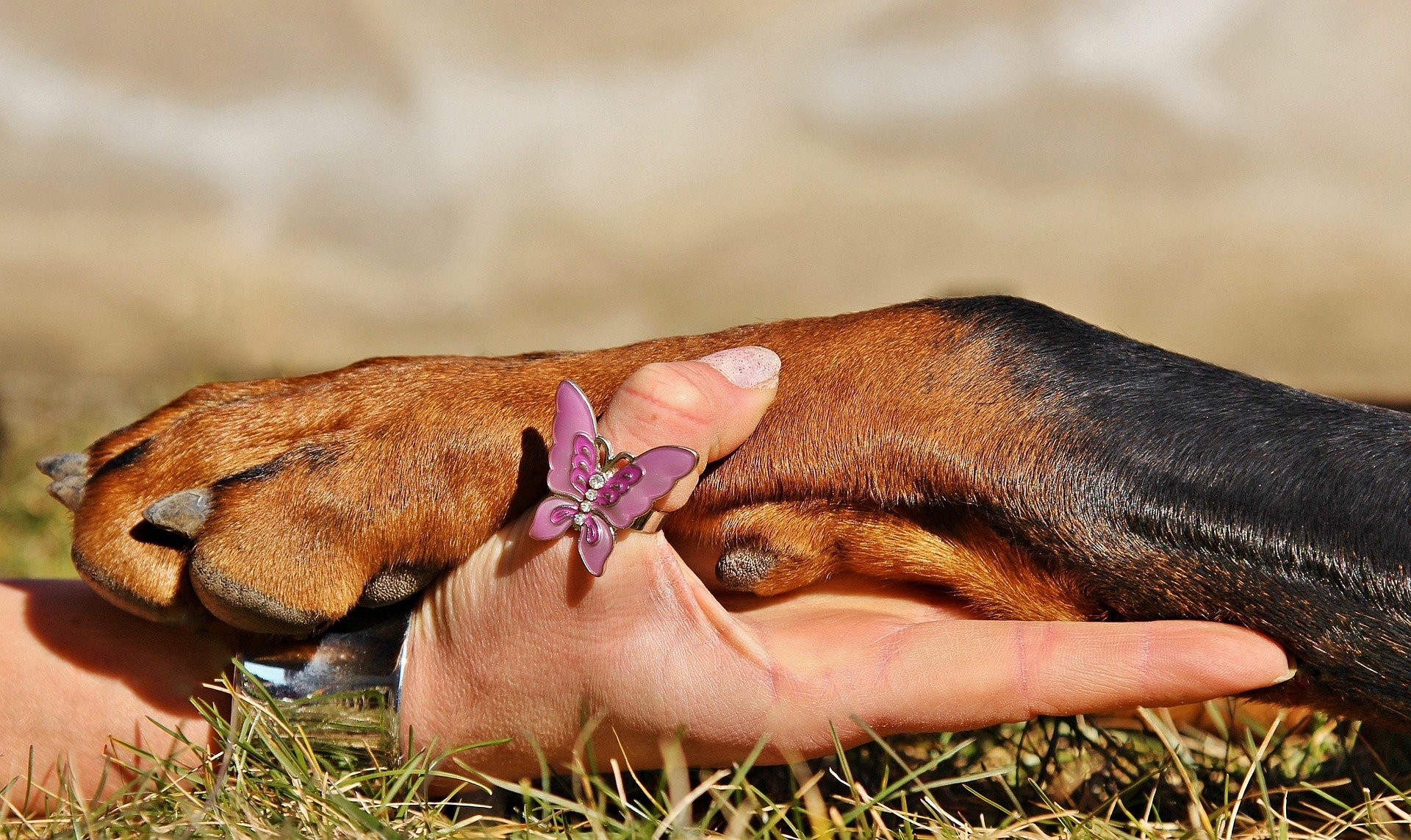
The Dobermann is much more than a guard dog. It is a loyal friend, intelligent student, and deeply loving companion.
Enjoyed learning about the Dobermann? 🐾 Stay updated with more amazing dog guides and tips — like our Facebook page and join our community of dog lovers!
With proper training, care, and socialization, a Dobermann can offer devotion, protection, and companionship unlike any other breed. If you’re ready to invest time, leadership, and love, a Dobermann will give its whole heart in return.


